Mechanical Horology: The Architecture of Captured Time
The engineering, metallurgy, and poetic precision of mechanical chronographs
What is a mechanical chronograph?
A mechanical chronograph is a watch with a built-in stopwatch, driven by a wound spring. Nicolas Rieussec invented the first one in 1821 to time horse races, and it records elapsed time in fractions of a second.
A mechanical chronograph is humanity's most poetic physical mechanism: an autonomous, hand-regulated clockwork engine that translates the potential energy of a coiled steel spring into the relentless, sub-second division of cosmic time.
Historical Context & Origins
Invented by Nicolas Mathieu Rieussec in 1821 to accurately time horse racing for King Louis XVIII, the chronograph ('time writer') revolutionized celestial navigation, artillery ballistics, aviation, and deep-sea exploration. The mid-20th century witnessed the golden age of manually-wound column-wheel calibers (such as the Valjoux 72 and Lemania 2310), mechanical masterpieces assembled and polished entirely under watchmaker loupes.
Symbolism, Myth, & Iconography
The ticking balance wheel is the heartbeat of human ingenuity. In an era dominated by ephemeral silicon chips and disposable electronics, mechanical horology represents permanence, intergenerational stewardship, and mastery over entropic decay.
Morphology & Aesthetic Evaluation
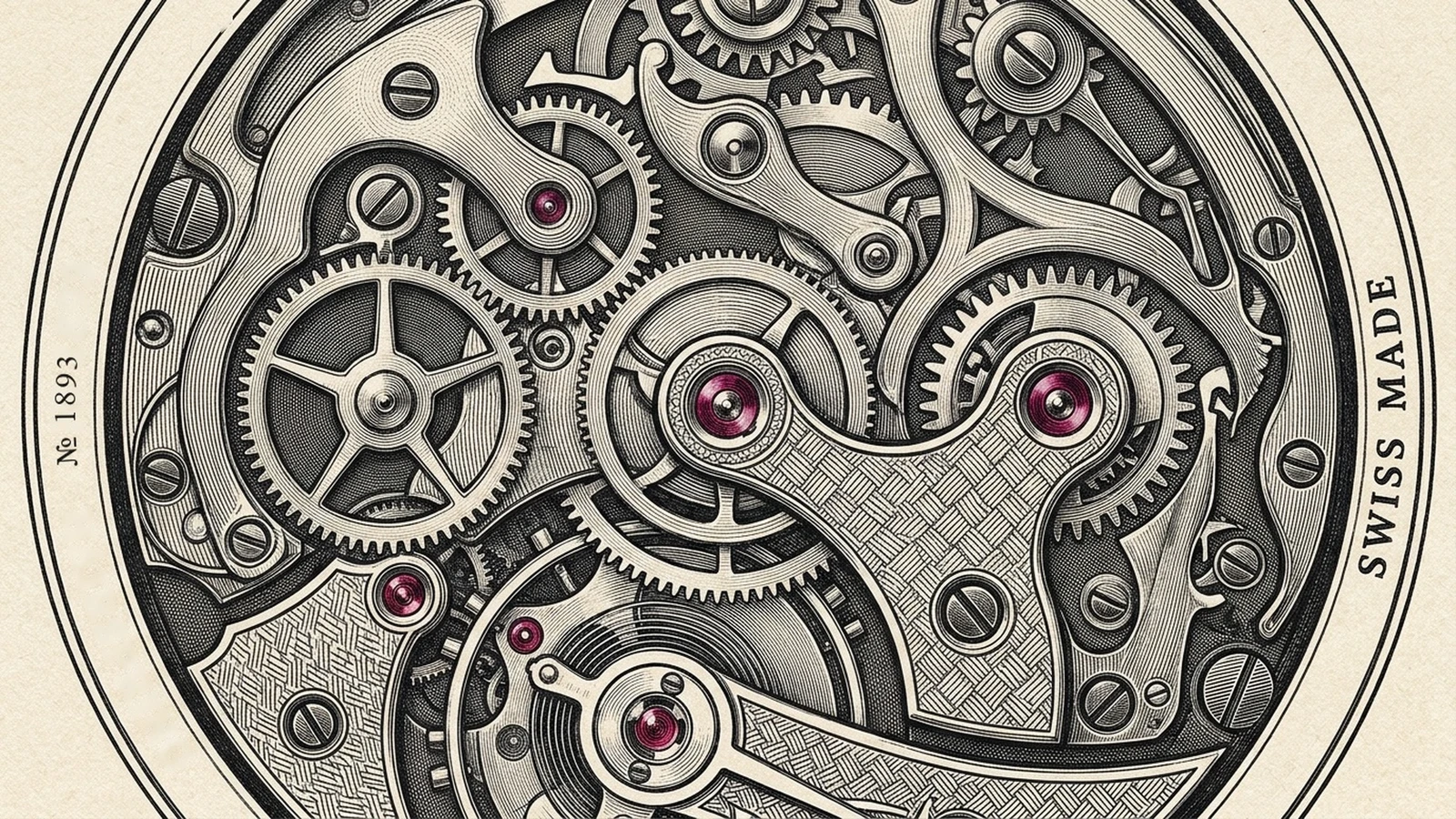
High horology (Haute Horlogerie) requires decorative techniques whose utility transcends timekeeping: Côtes de Genève (Geneva stripes) trap stray dust specks, Perlage (circular graining) reflects diffuse light, and Anglage (hand-chamfering mirror edges at 45°) highlights individual bridge architecture.
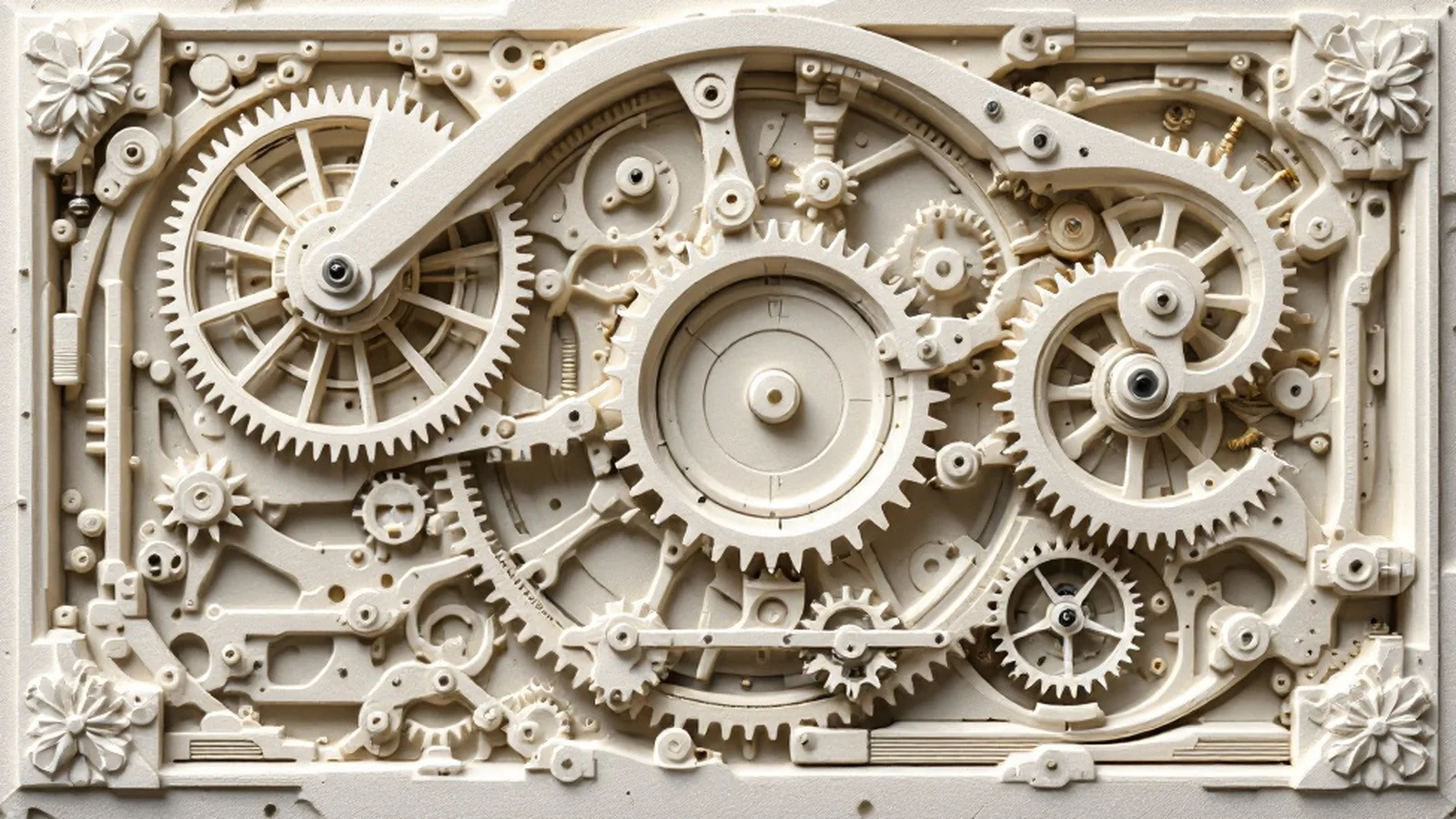
Cladeset honors this micro-engineering tradition through Guilloché Engraving and Plaster & Stone, echoing the rose-engine decorated dials and architectural plates beloved by horological connoisseurs.
Bibliographic Citations & Reference Material:
- •Daniels, G. (1981). Watchmaking. Sotheby's, London.
- •Humbert, B. The Chronograph, Its Mechanism and Repair (first published 1952; reprinted by the American Watchmakers-Clockmakers Institute).