01
Modern Encaustic Wax Relief
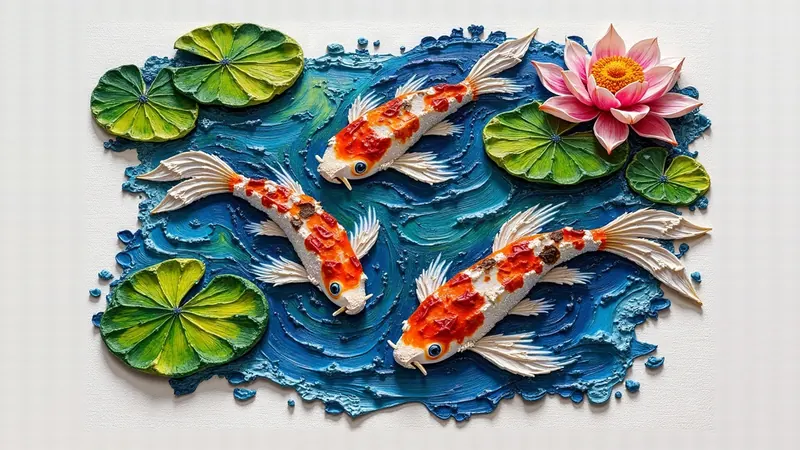
Molten beeswax and damar resin/Available for immediate download · $38
A koi cut in wet oil paint, the same koi carved from plaster, a lotus set in jade and raw gold. Cladeset takes one subject at a time and renders it in material after material, then tells you its story.
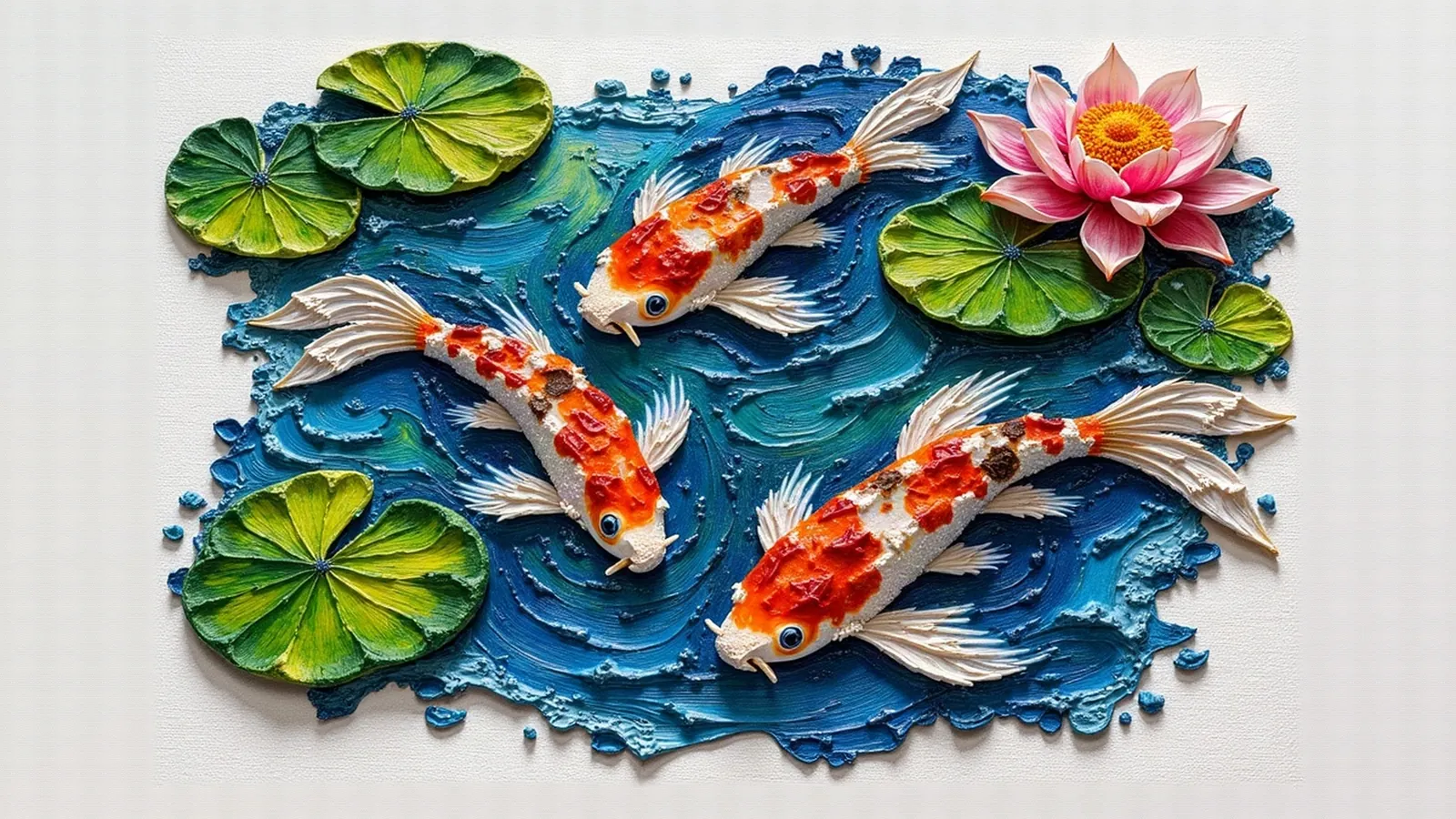
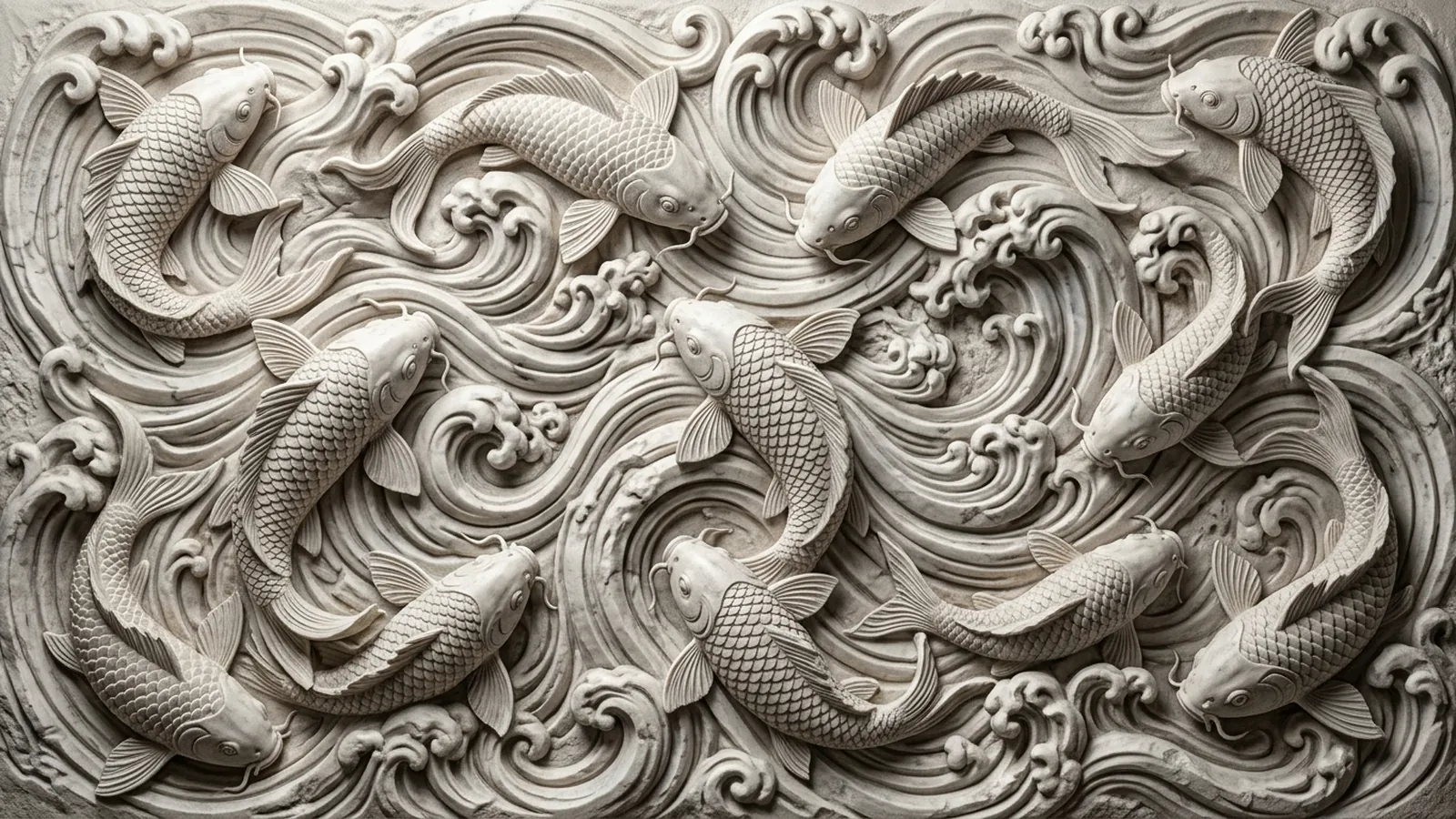

Perseverance, wealth, marital harmony, and fluid biological grace.
Read about the subject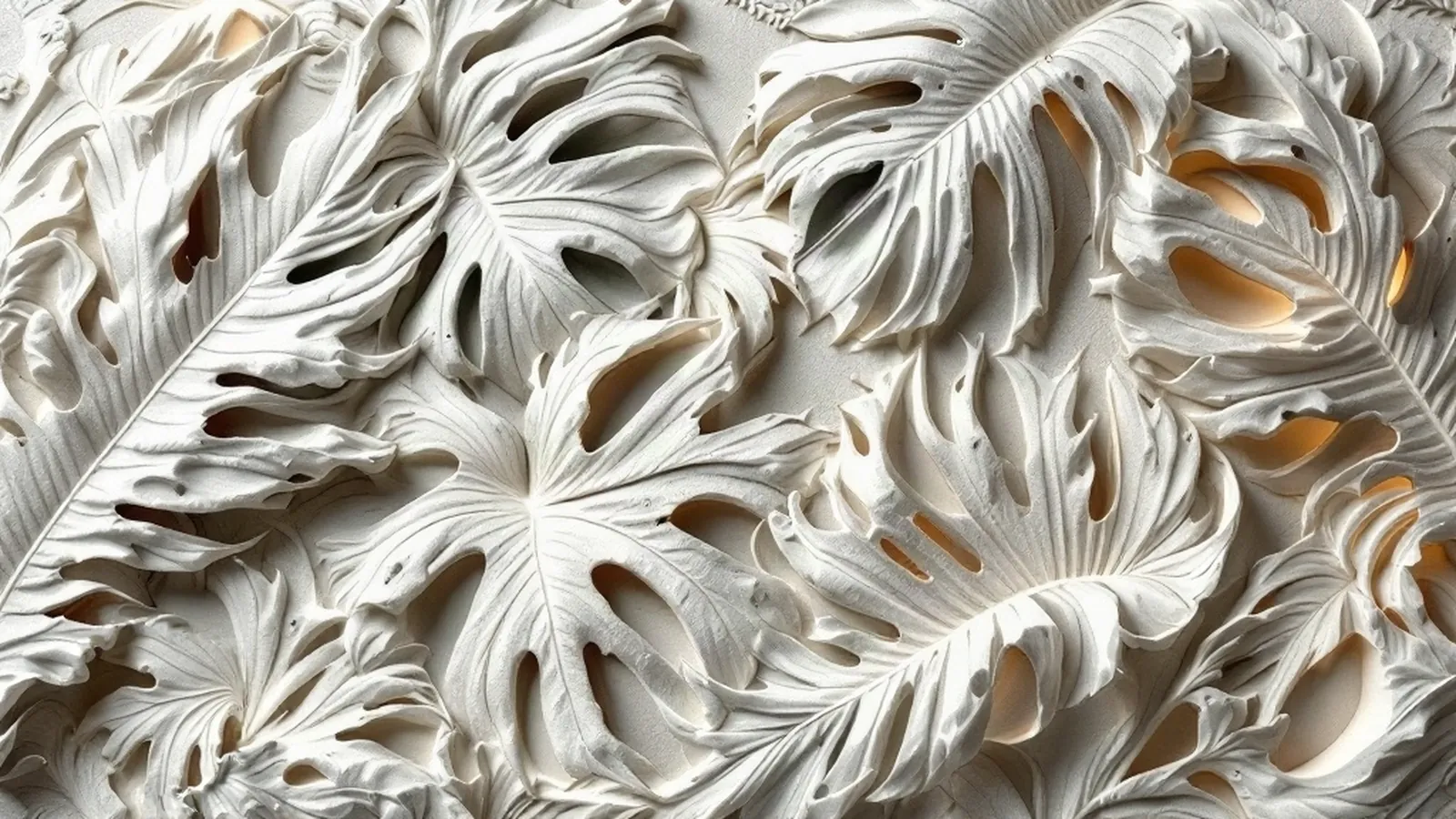

Now showing 1 of 6 · changes on its own, like the real thing
Every work ships as a 4K file for an art television and as 300 DPI masters for framing. Pick a format and watch it take its place.
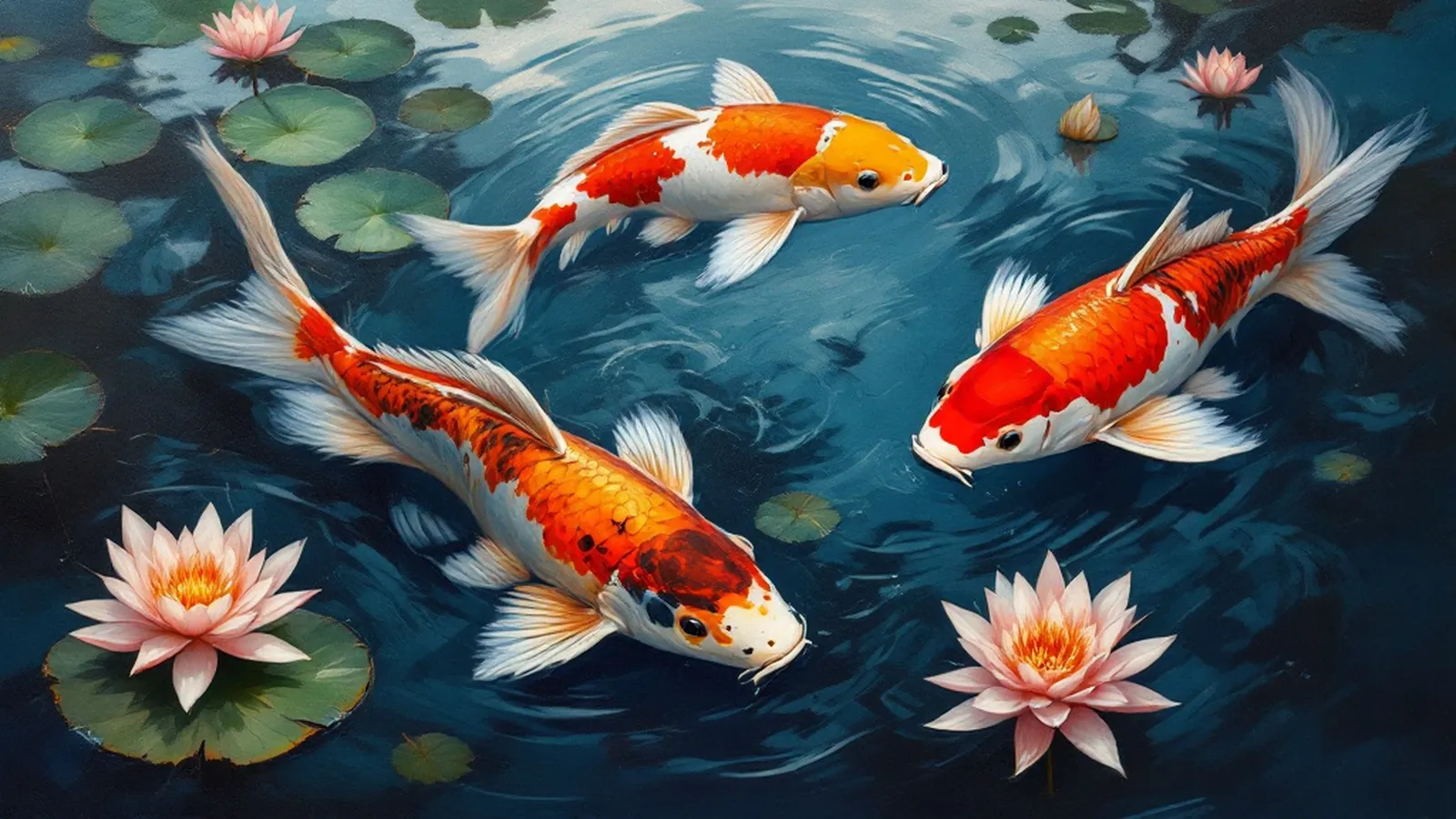
A taxonomic and cultural monograph on ornamental Cyprinus rubrofuscus
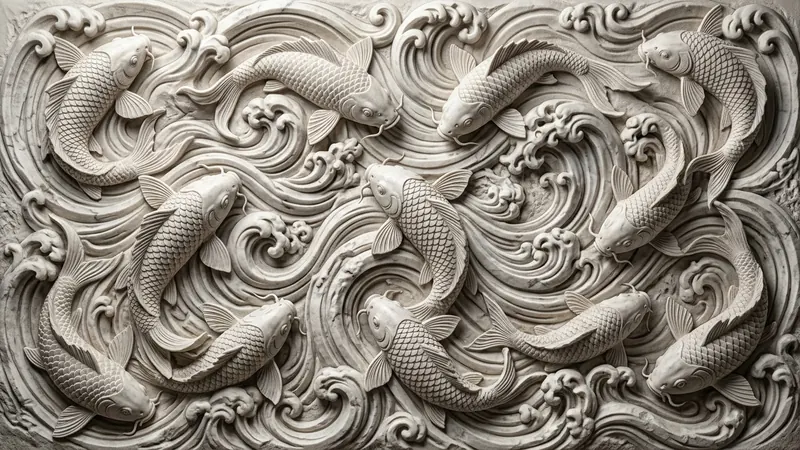
Far more than ornamental pond fish, Nishikigoi (literally 'brocaded carp') represent one of history's most disciplined long-term biological art forms. Developed from common black river carp (Magoi) in the snow-locked mountain villages of Niigata, Japan, koi transform natural genetics into swimming masterpieces of scale, form, and pigment.
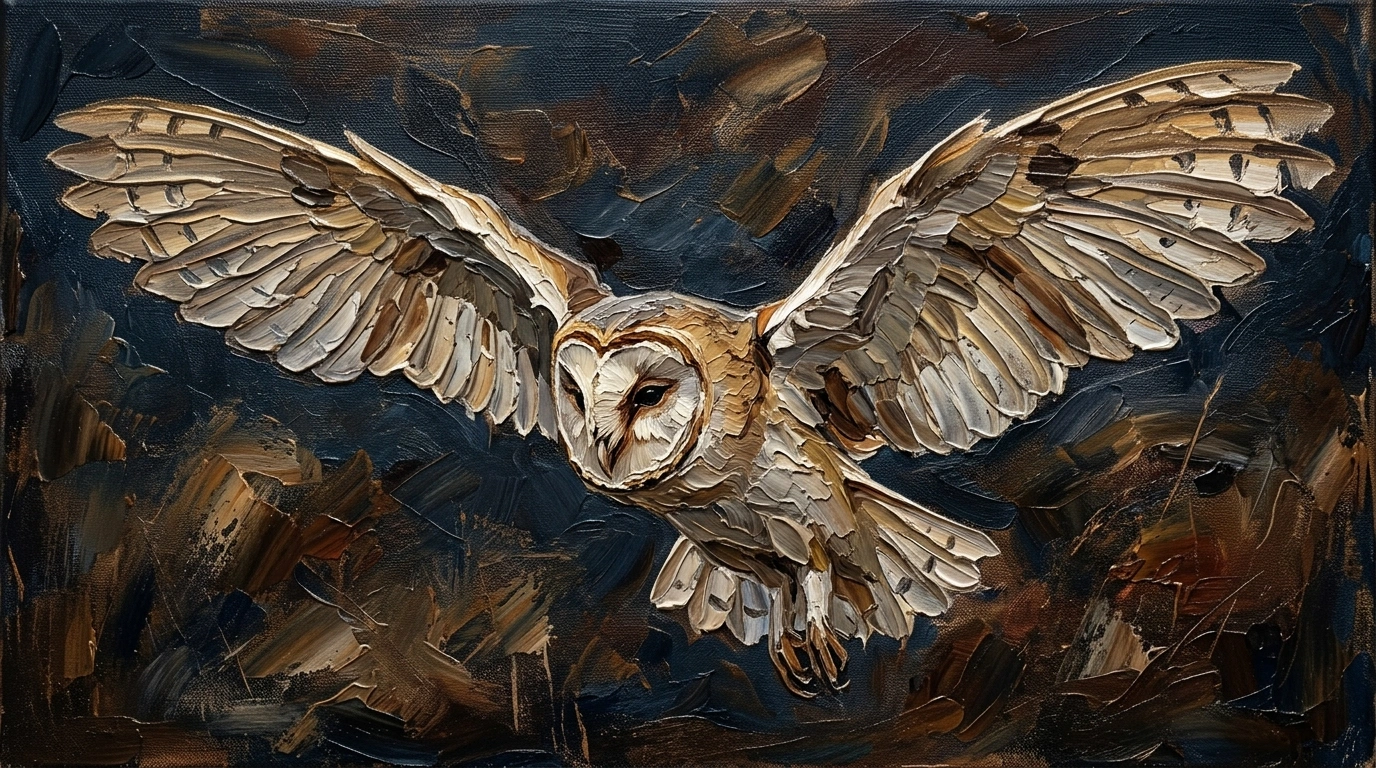
Silent, heart-faced, and possessing sensory capabilities that border on the surreal, the Barn Owl (Tyto alba) is an evolutionary triumph of predatory physics.
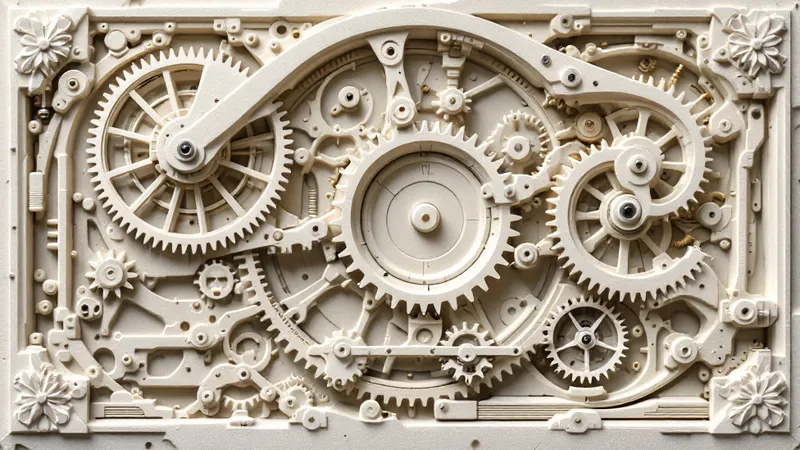
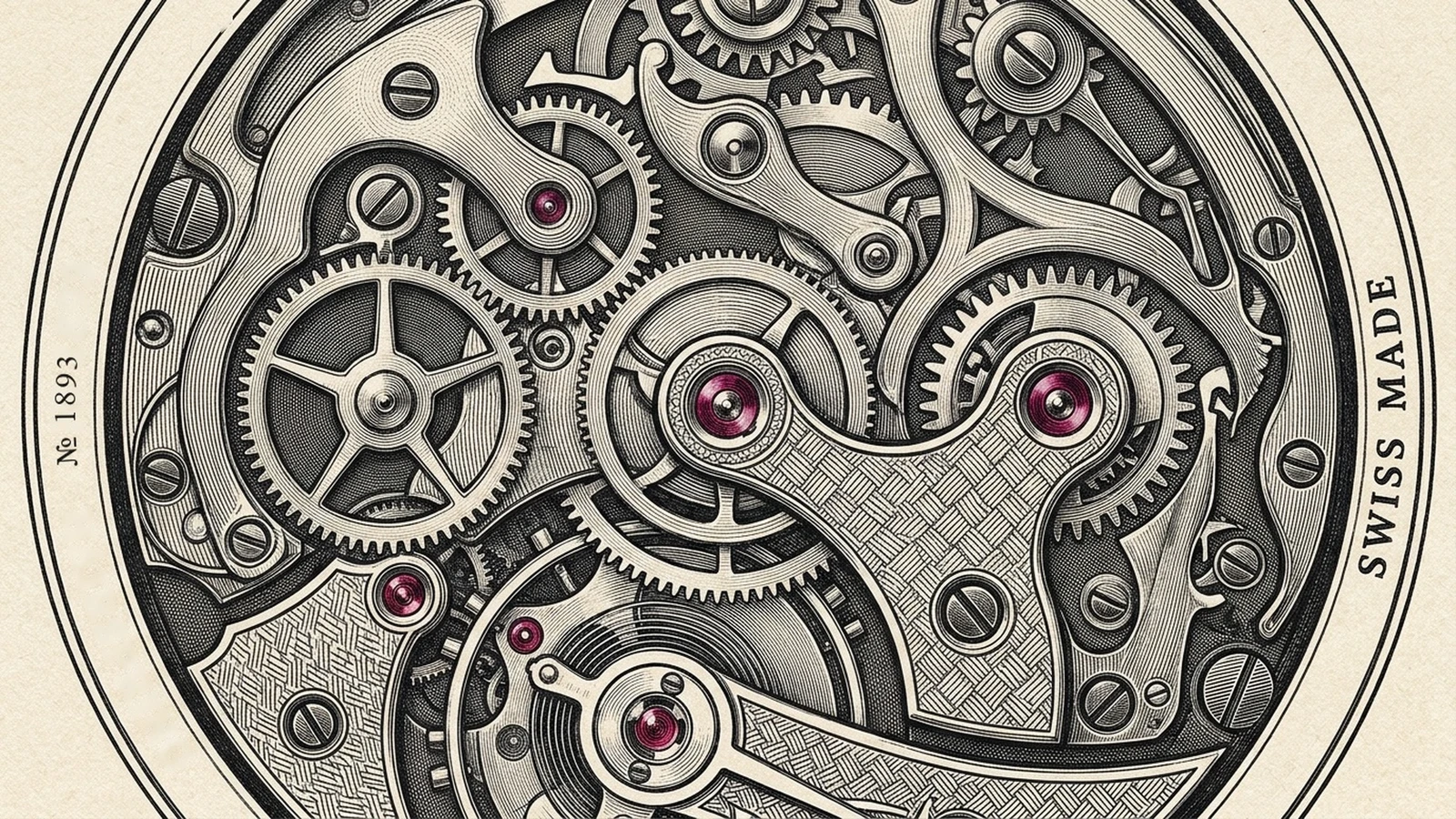
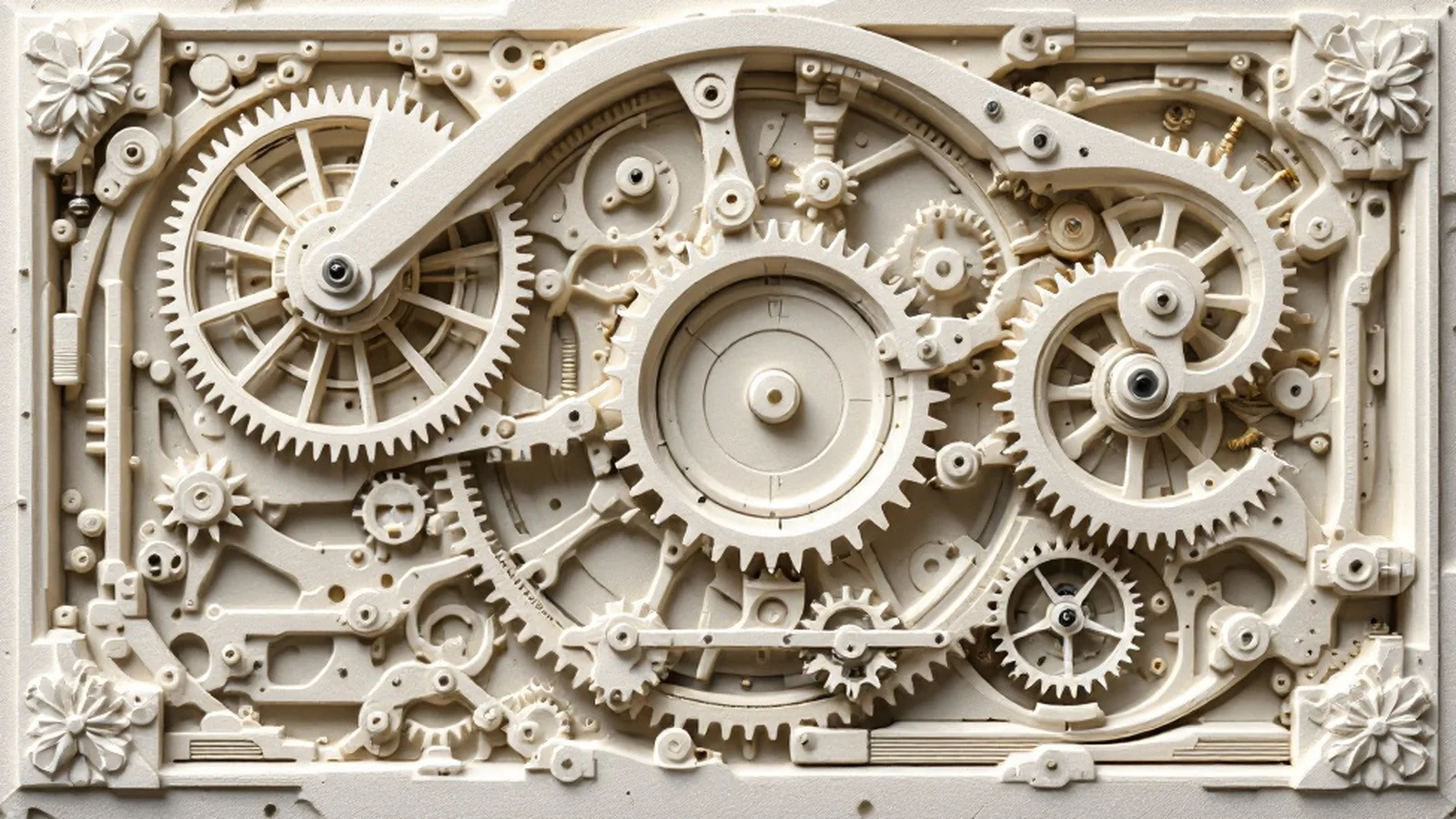
A mechanical chronograph is humanity's most poetic physical mechanism: an autonomous, hand-regulated clockwork engine that translates the potential energy of a coiled steel spring into the relentless, sub-second division of cosmic time.
The sacred lotus roots in mud and holds its leaves and flowers above the water, apparently untouched by the silt it grows from.
The monstera's deeply cut, perforated leaf is among the most recognisable plant forms in modern design.
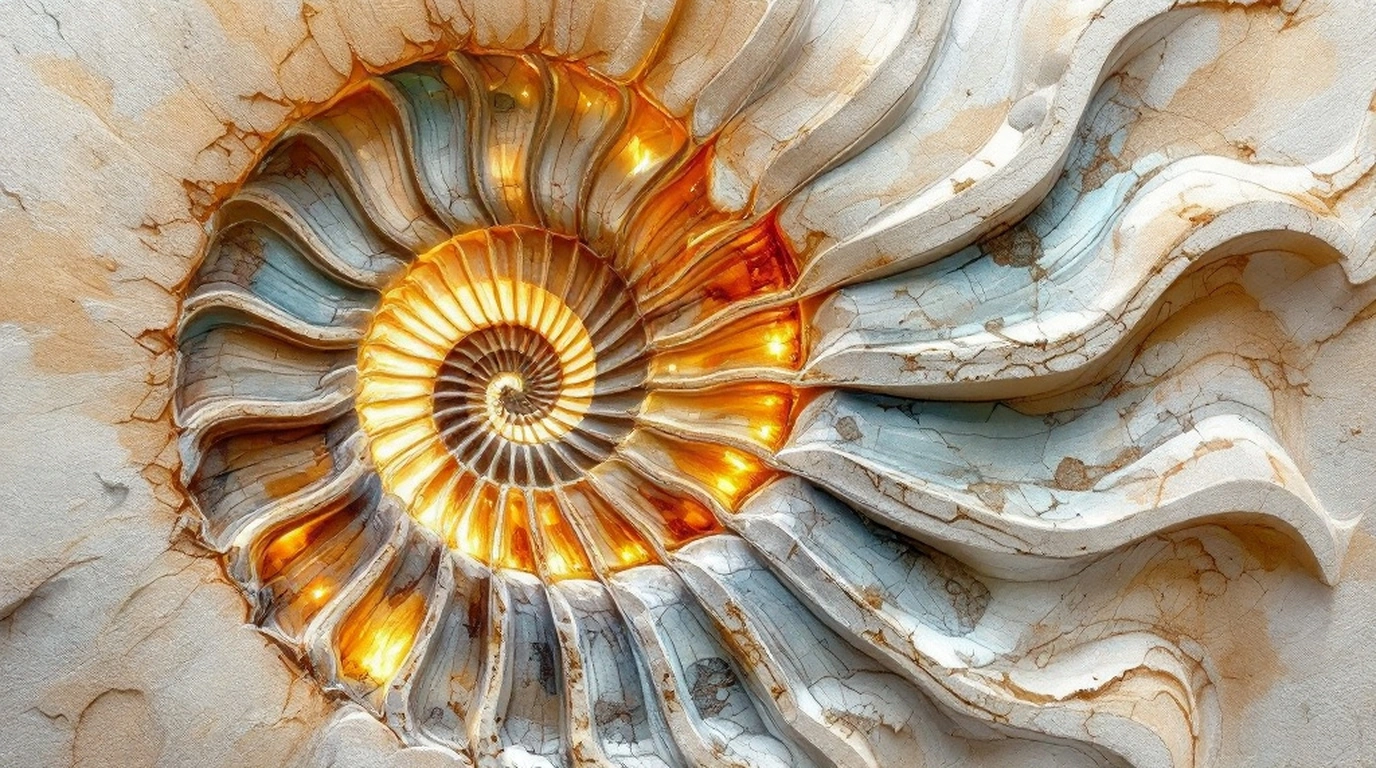
The chambered nautilus is a cephalopod that lives inside a coiled shell divided into gas-filled chambers.
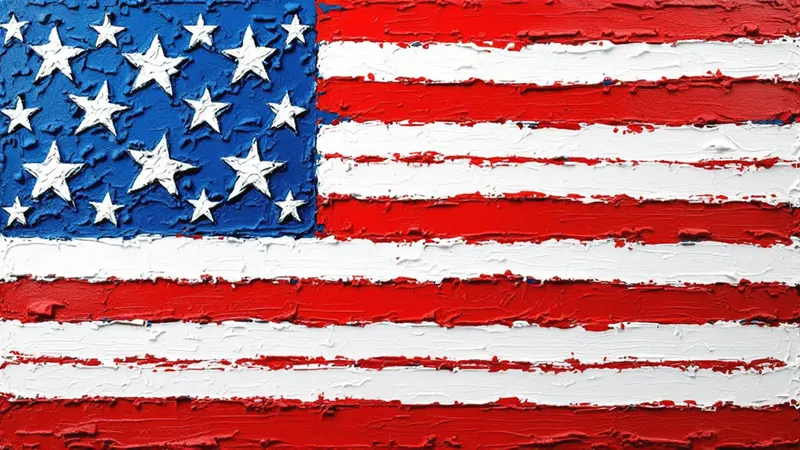
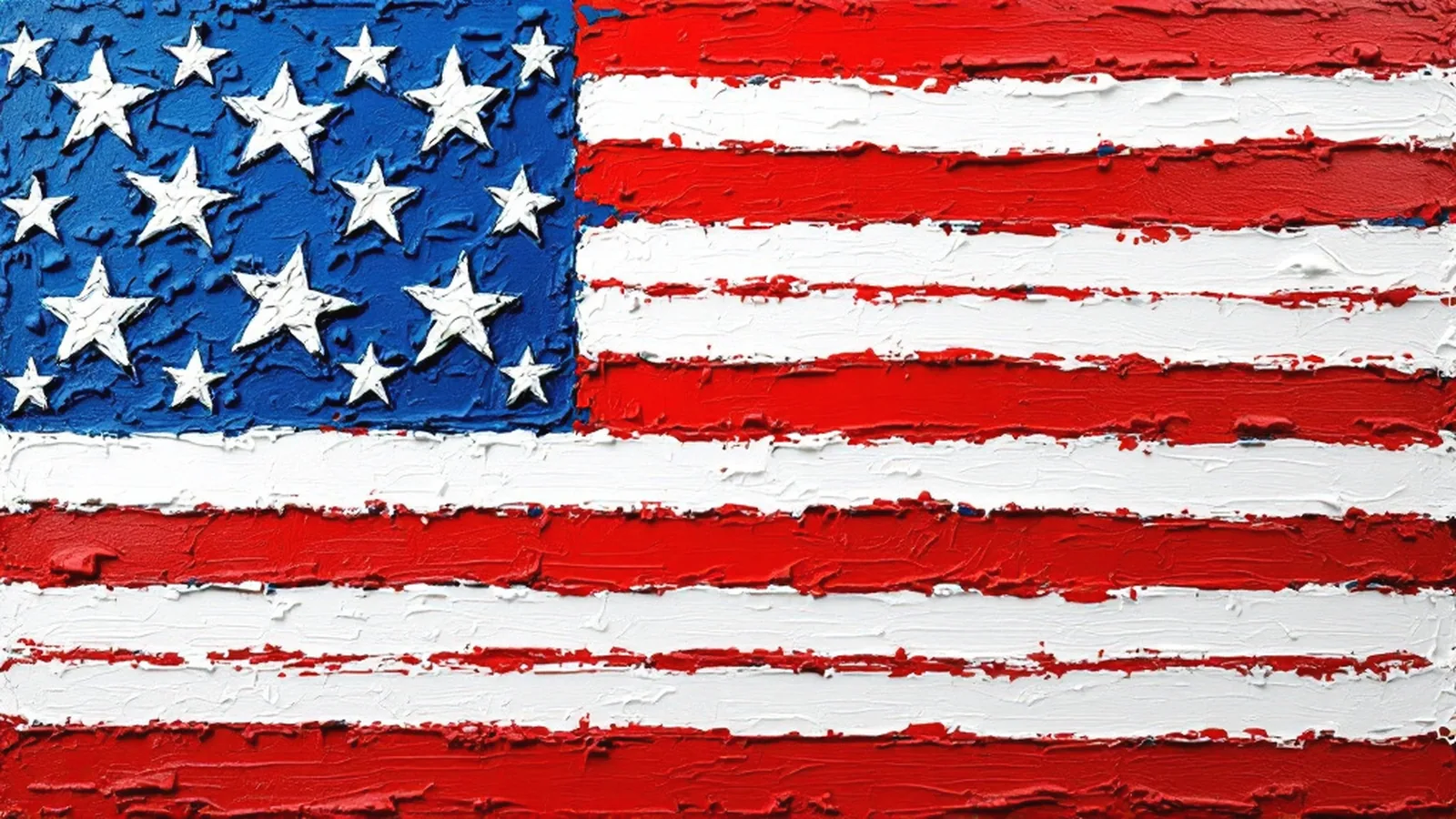
The flag of the United States is unusual among national flags because its design was meant to change. Every new state adds a star, and the flag has been redrawn many times since 1777.
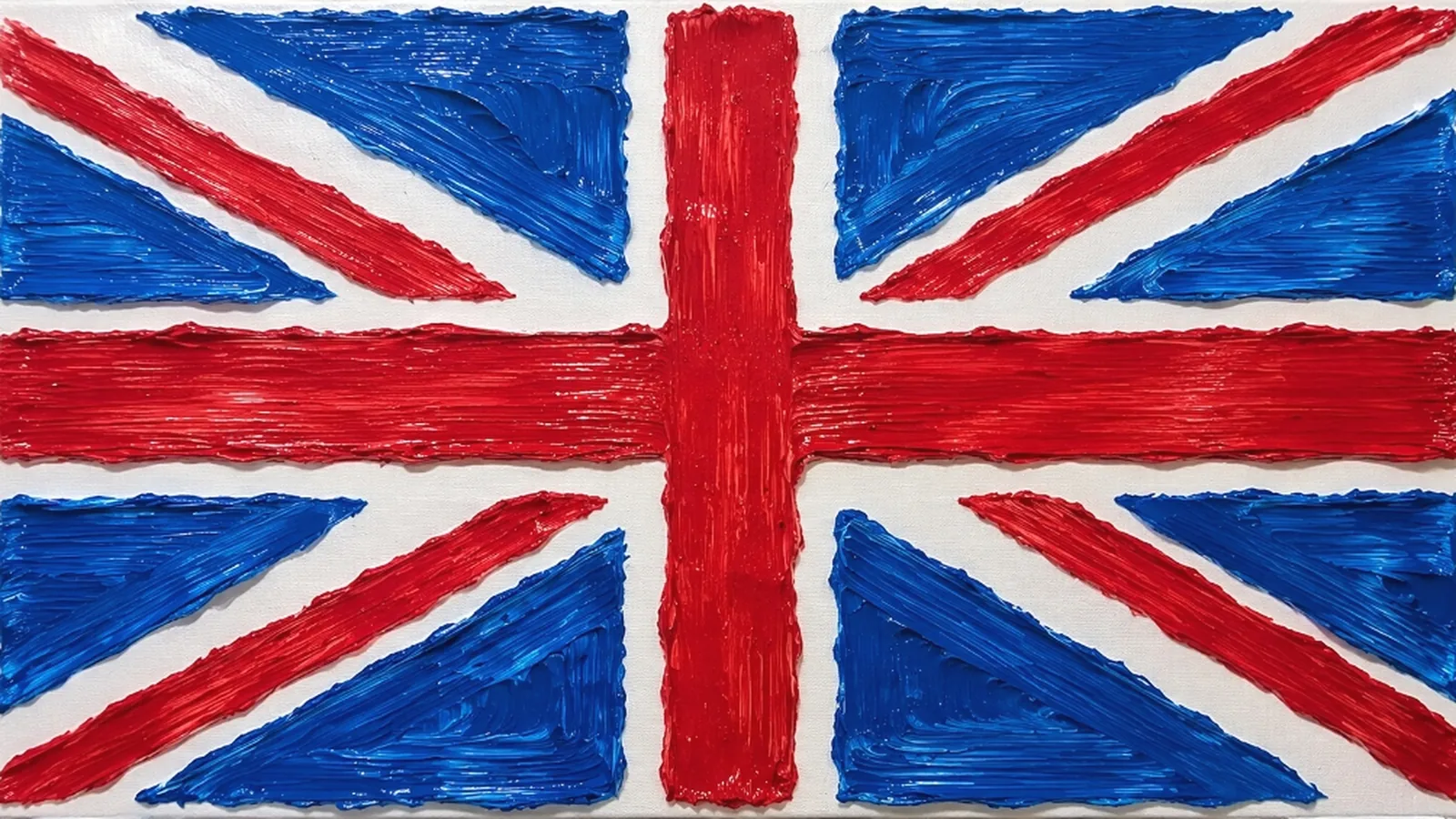
The Union Flag, often called the Union Jack, is made of three crosses laid over each other.
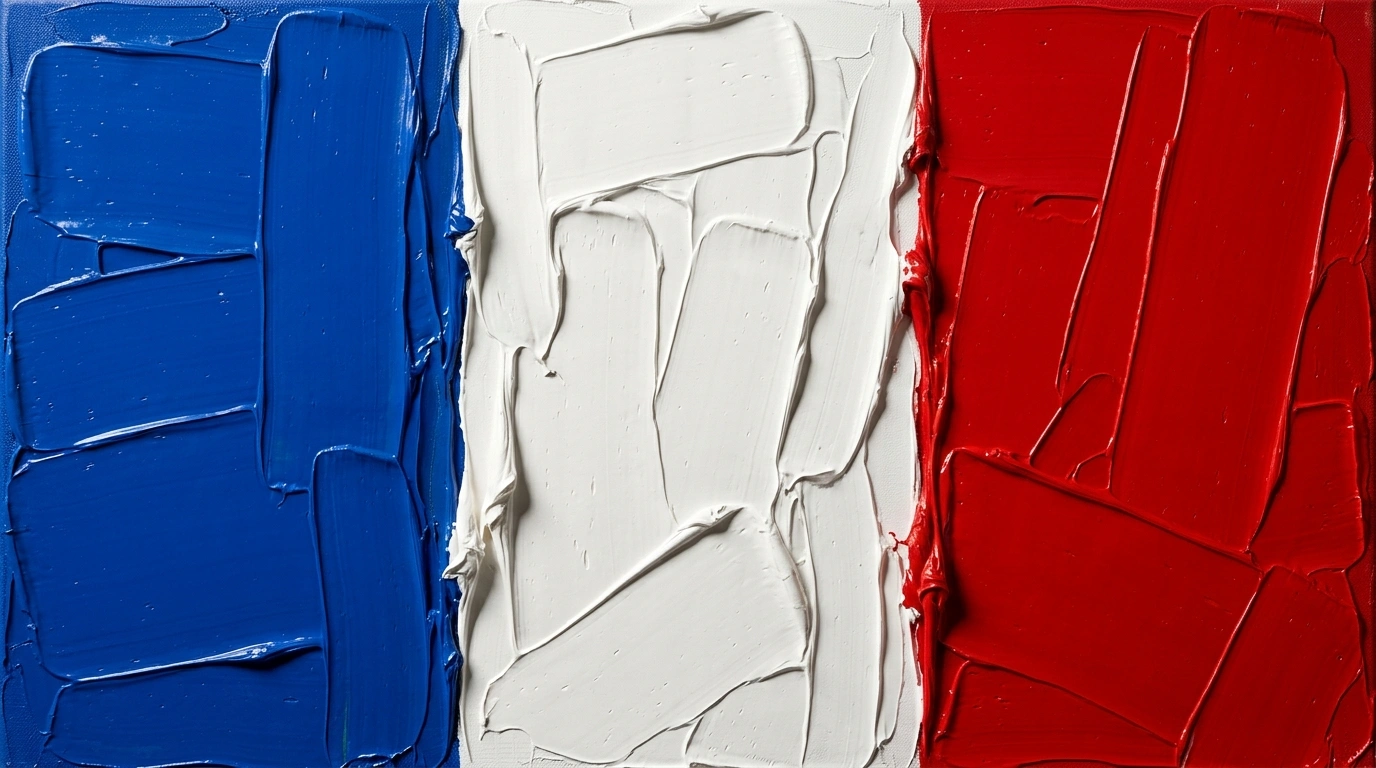
The French tricolour is a design of three equal vertical bands. Its simplicity, and the political weight it carried from 1789, made it the model for many later national flags.
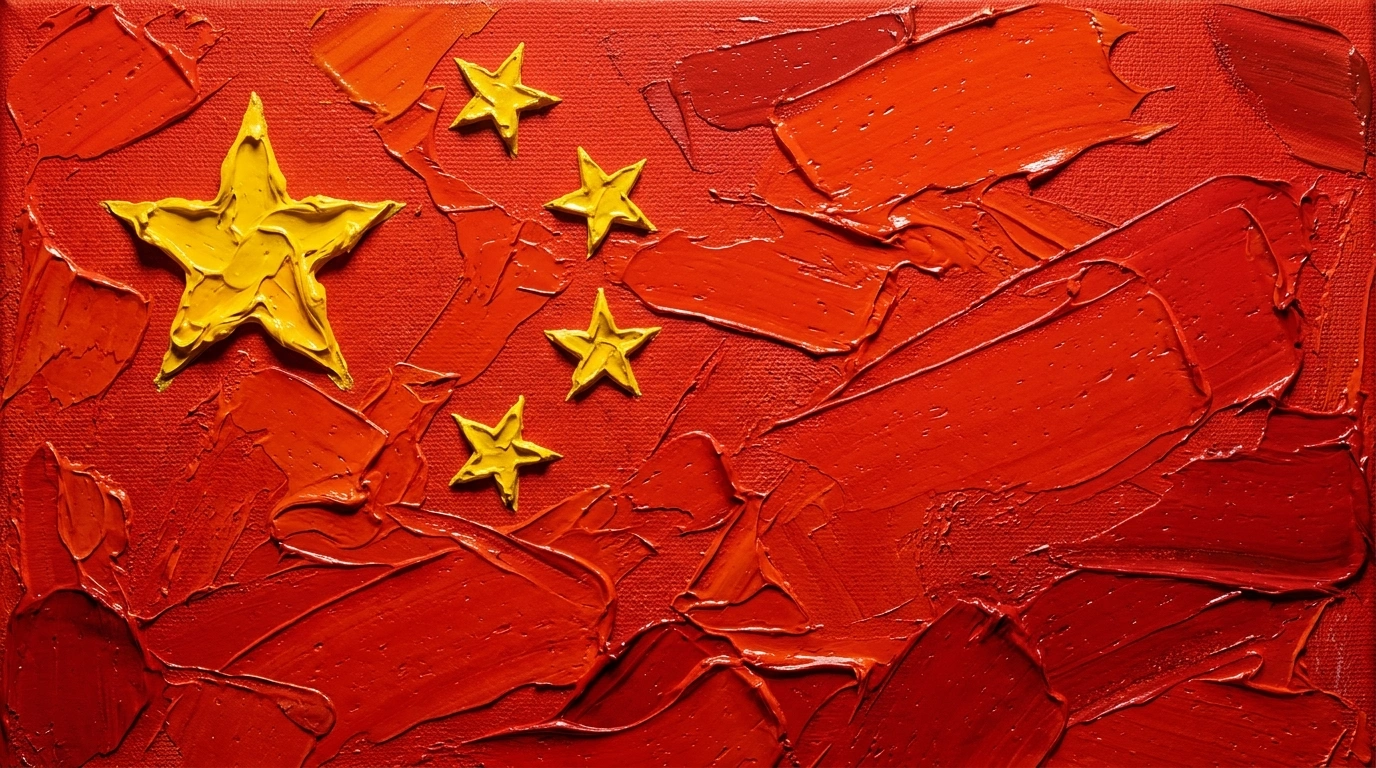
The flag of the People's Republic of China is a red field with five gold stars in the upper hoist corner: one large star, and four smaller ones in an arc beside it.
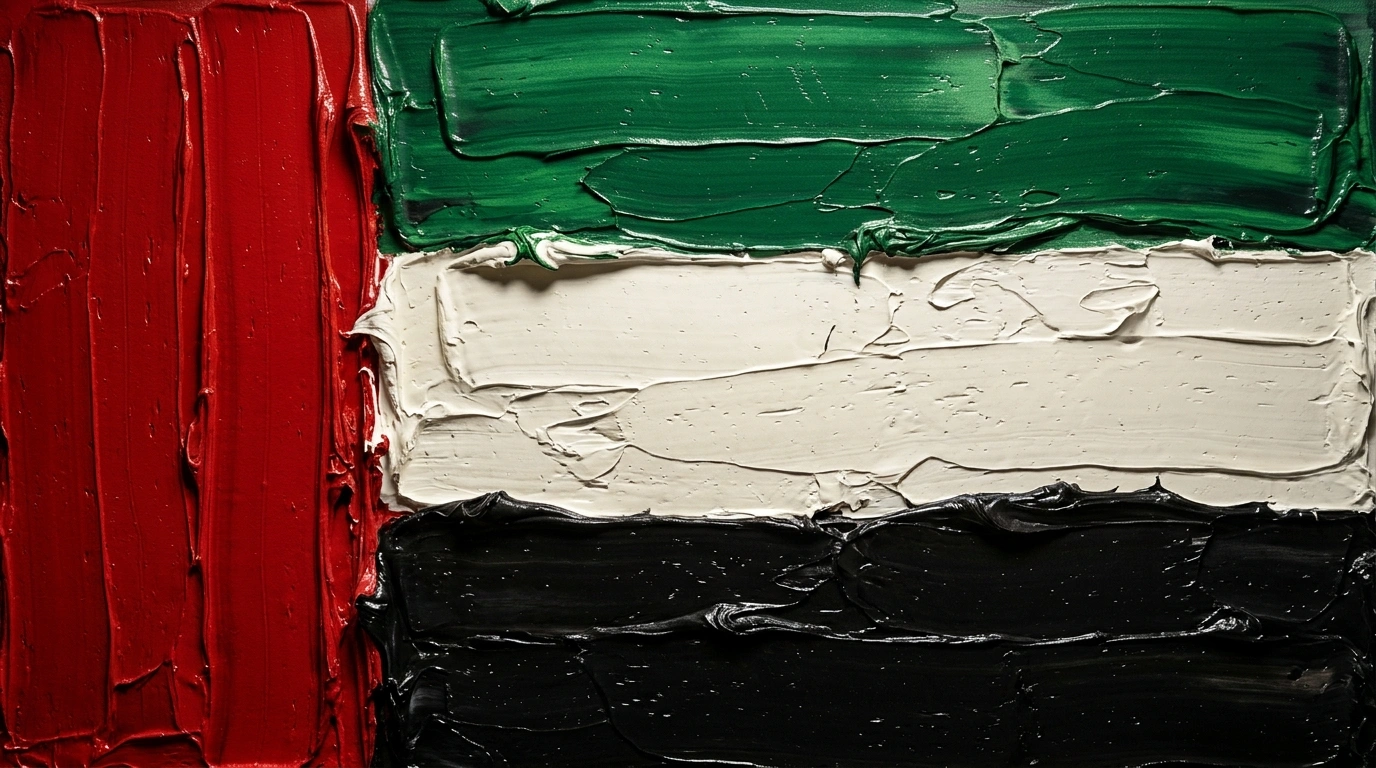
The flag of the UAE combines the four pan-Arab colours: a vertical red bar at the hoist and three horizontal bands of green, white and black.
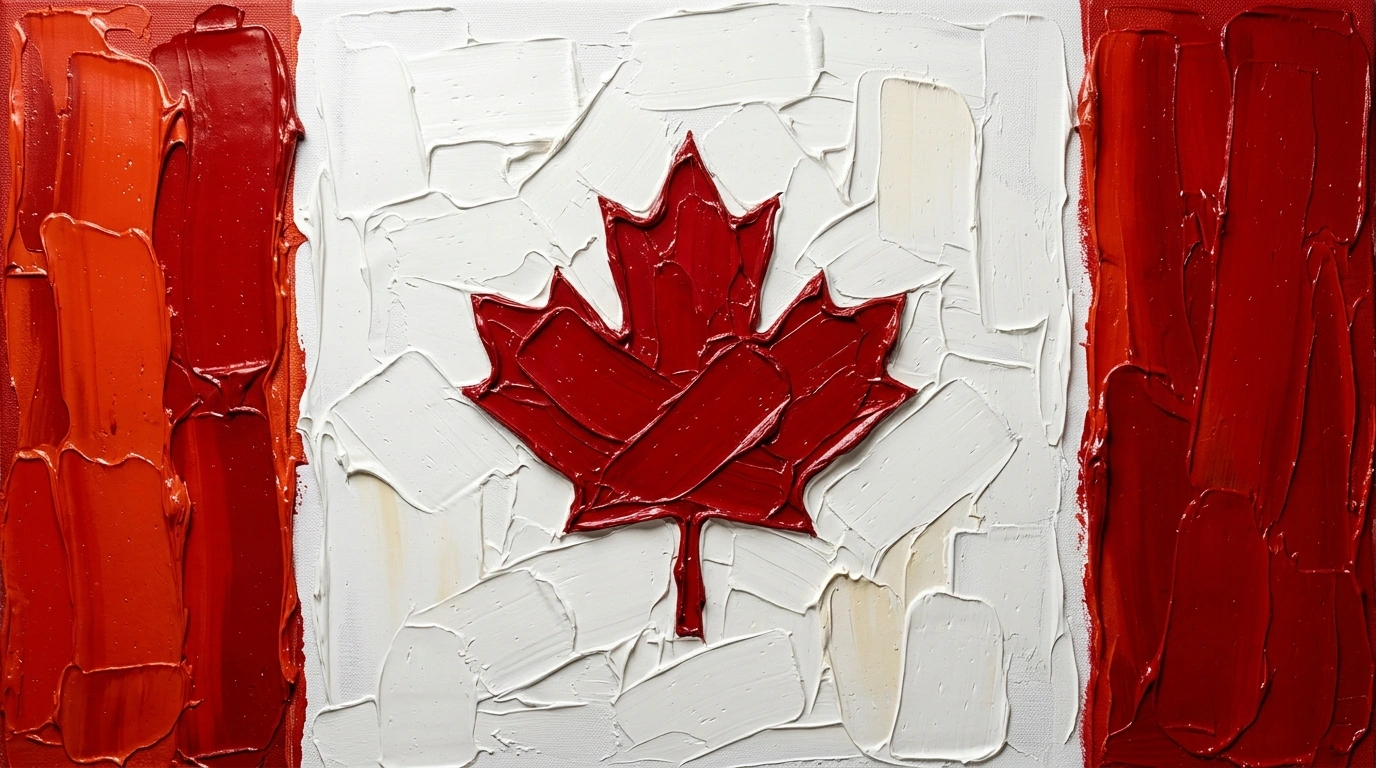
Canada's flag is a red field with a white square in the centre, carrying a stylised red maple leaf of eleven points. It is one of the simplest national flags in use.
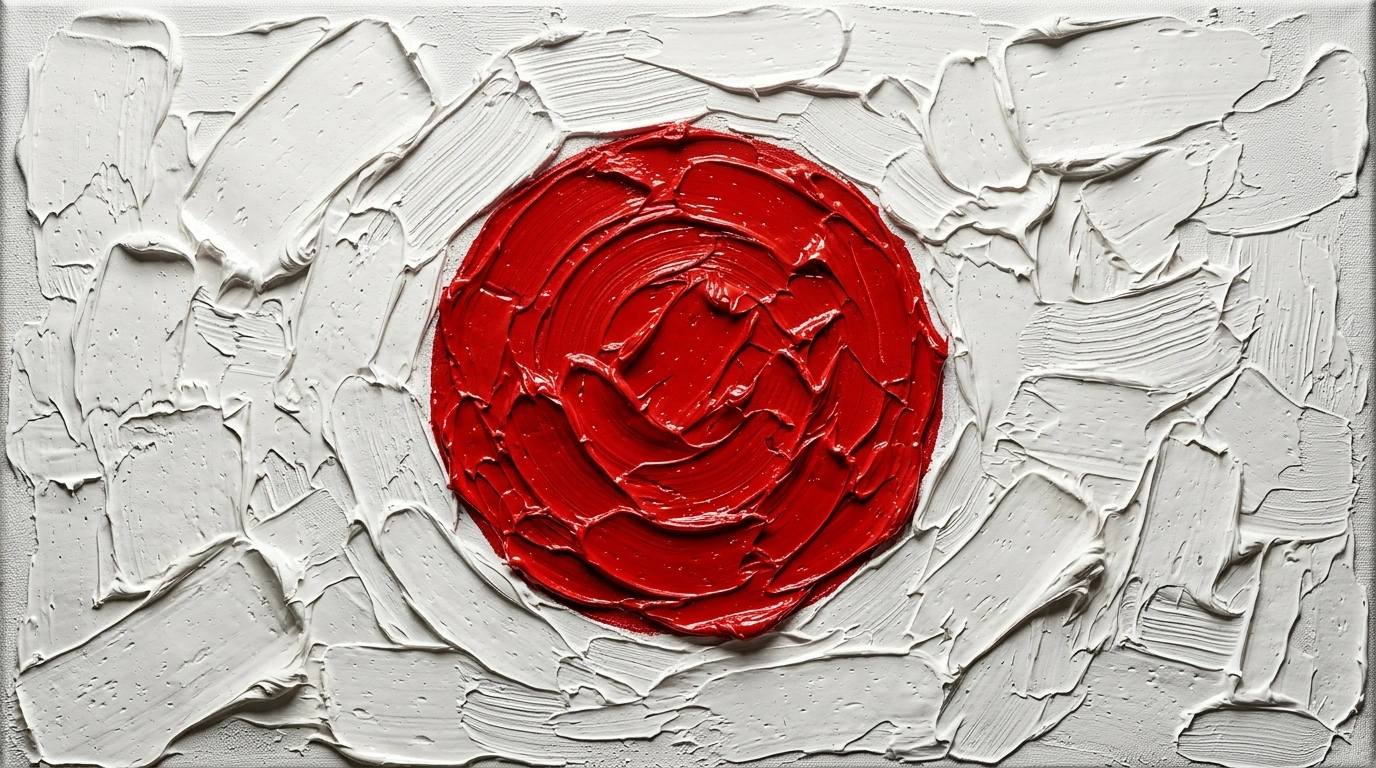
The flag of Japan is a white field with a single red disc, centred. Its formal name is Nisshoki, the sun-mark flag, and in everyday speech it is called Hinomaru, the circle of the sun.
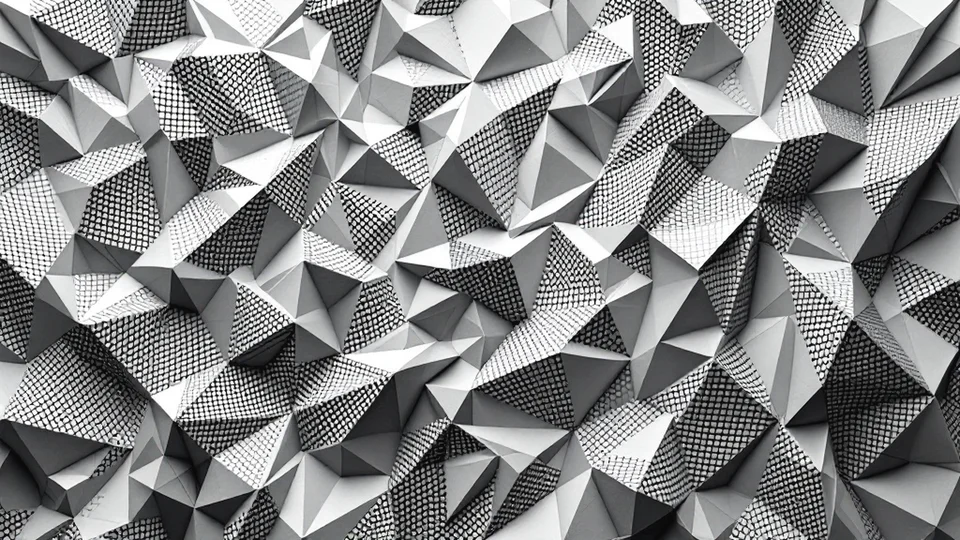
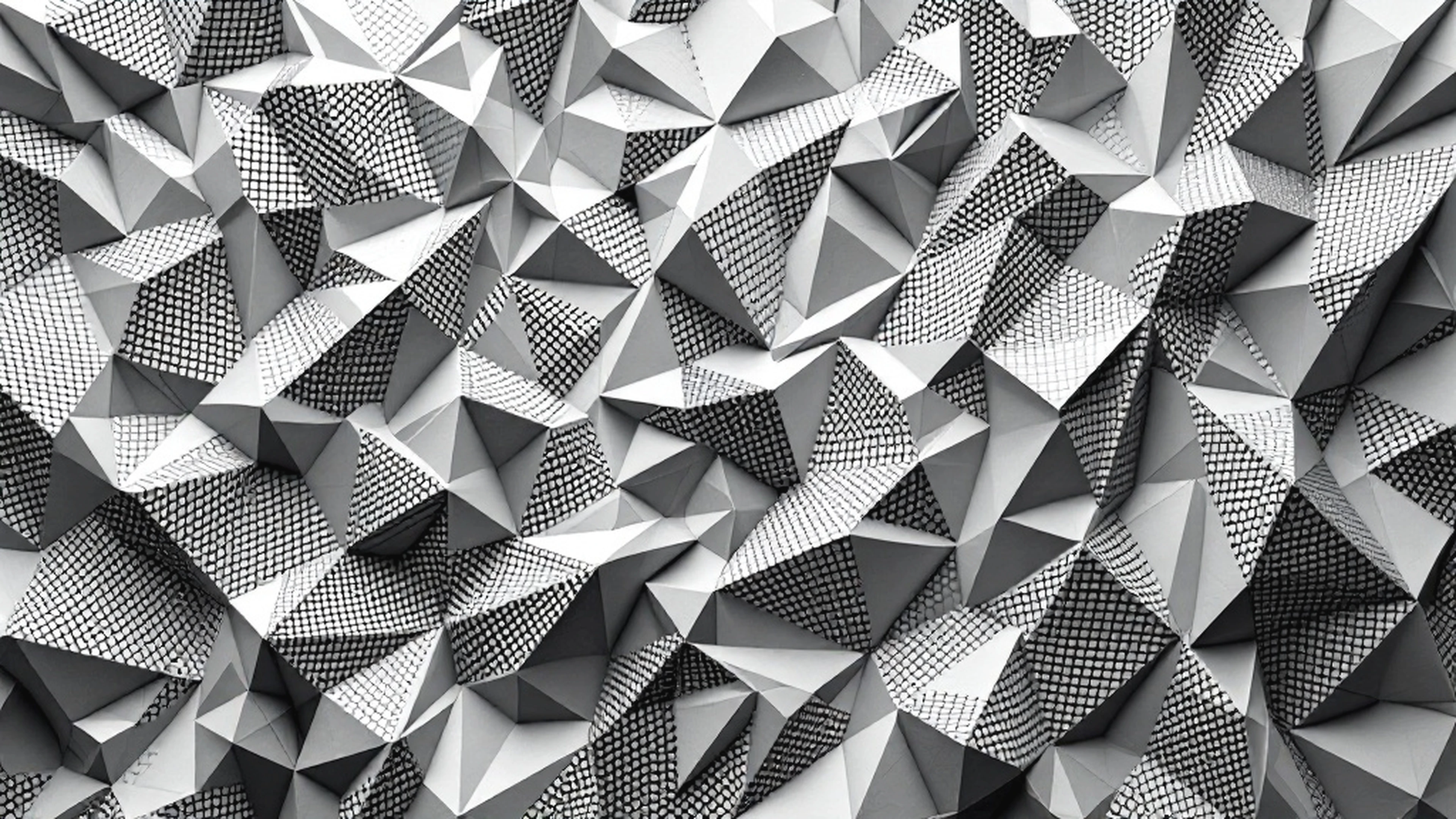
An origami tessellation is a pattern of folds repeated across a single sheet of paper, so that the surface itself becomes a relief of peaks and valleys.
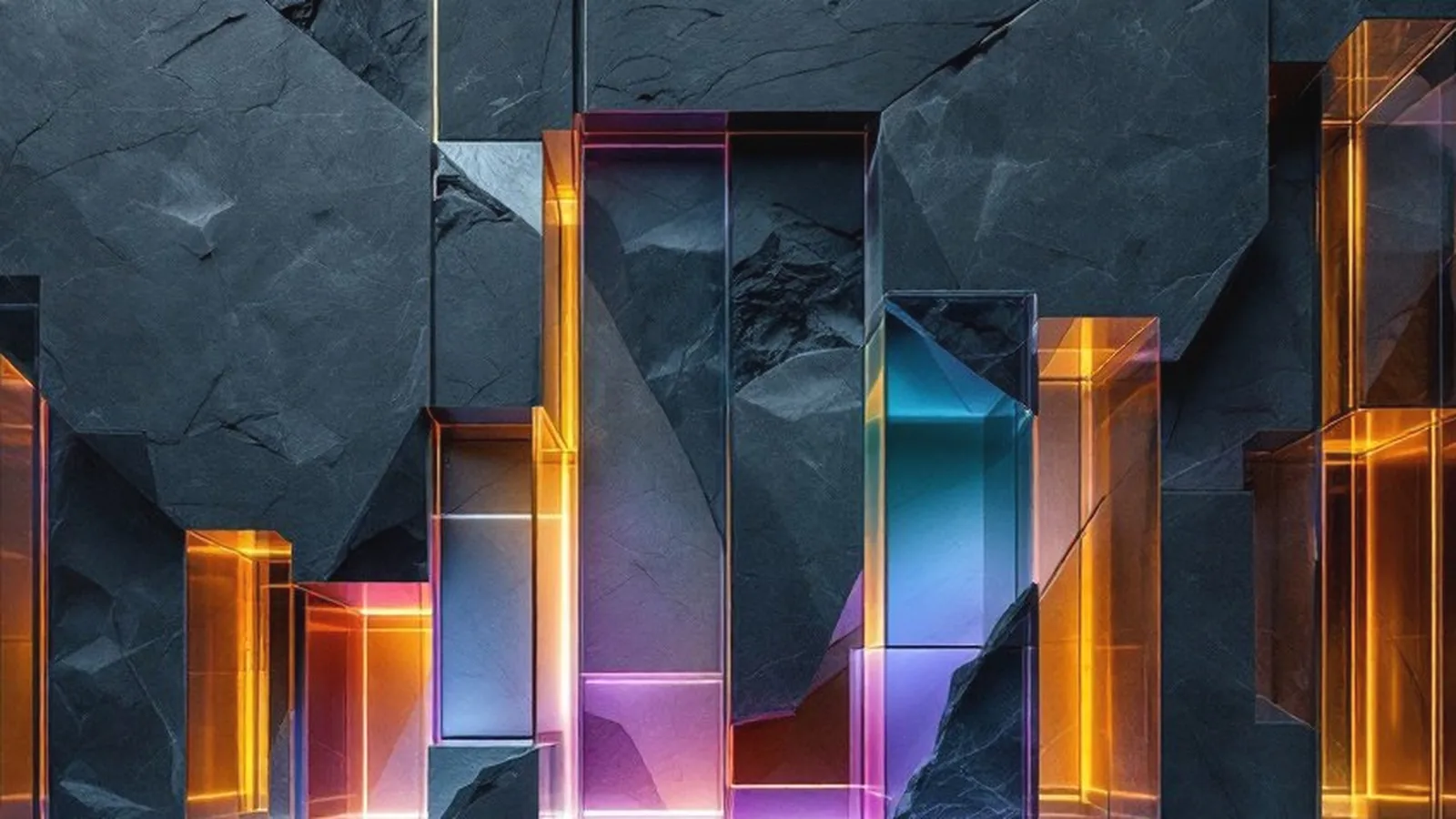
Architectural abstraction takes the language of building, slab, column, joint and surface, and removes the building.
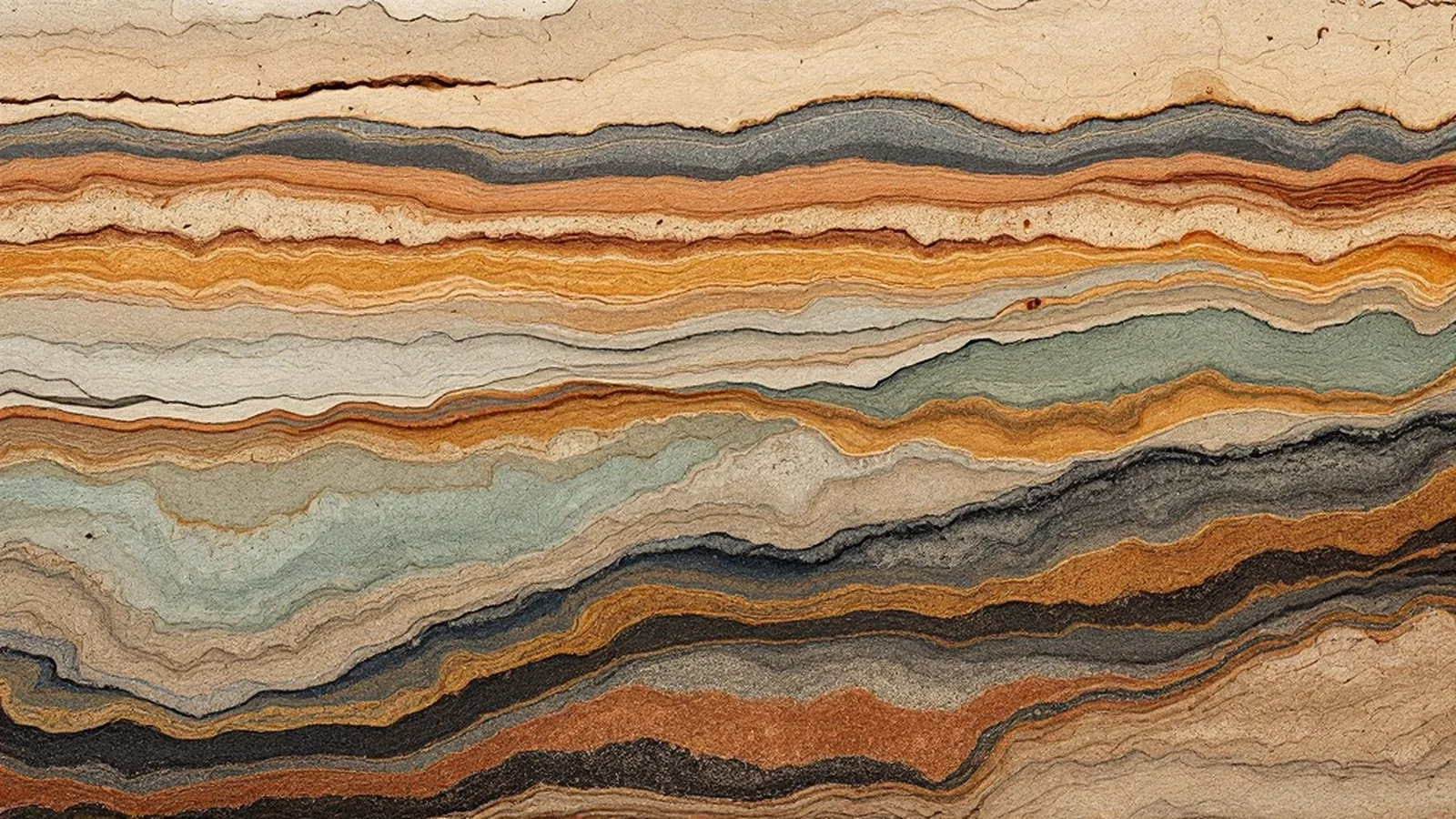
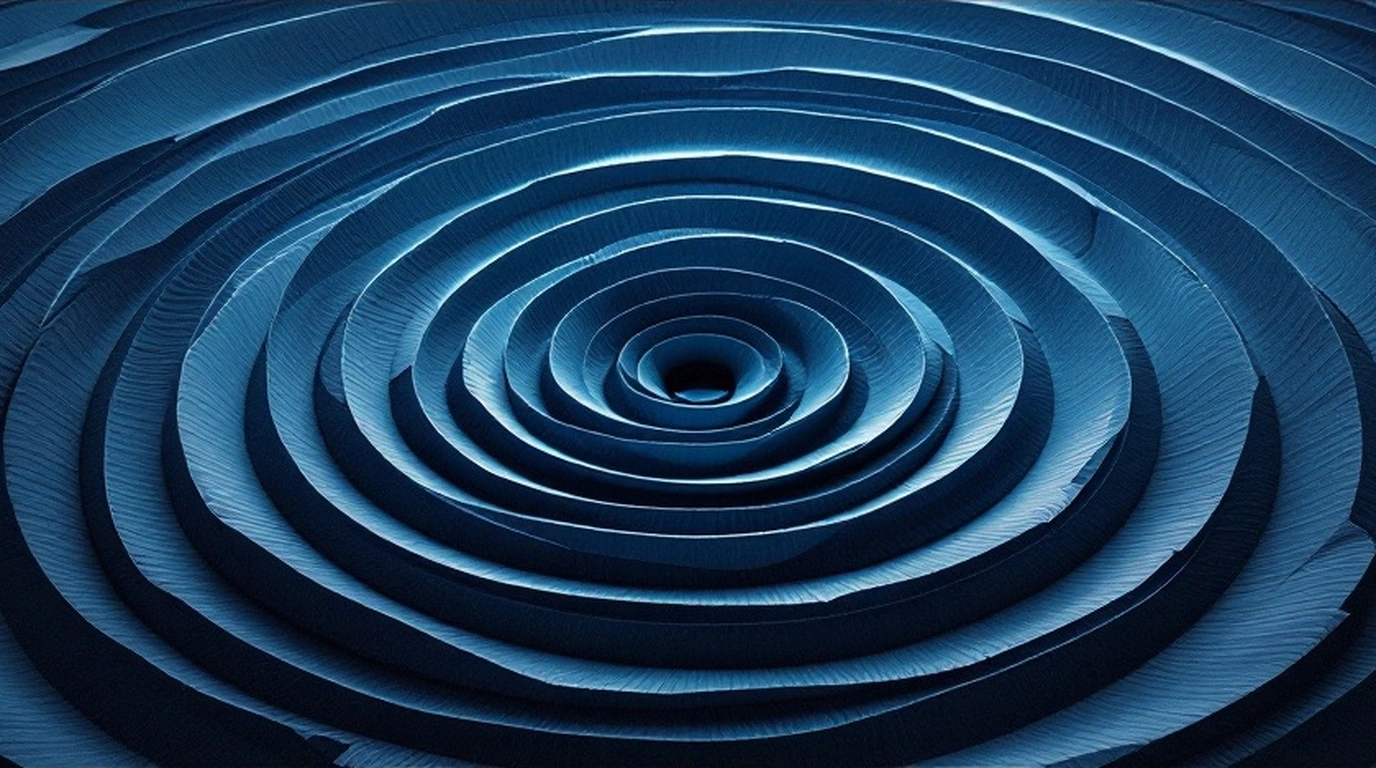
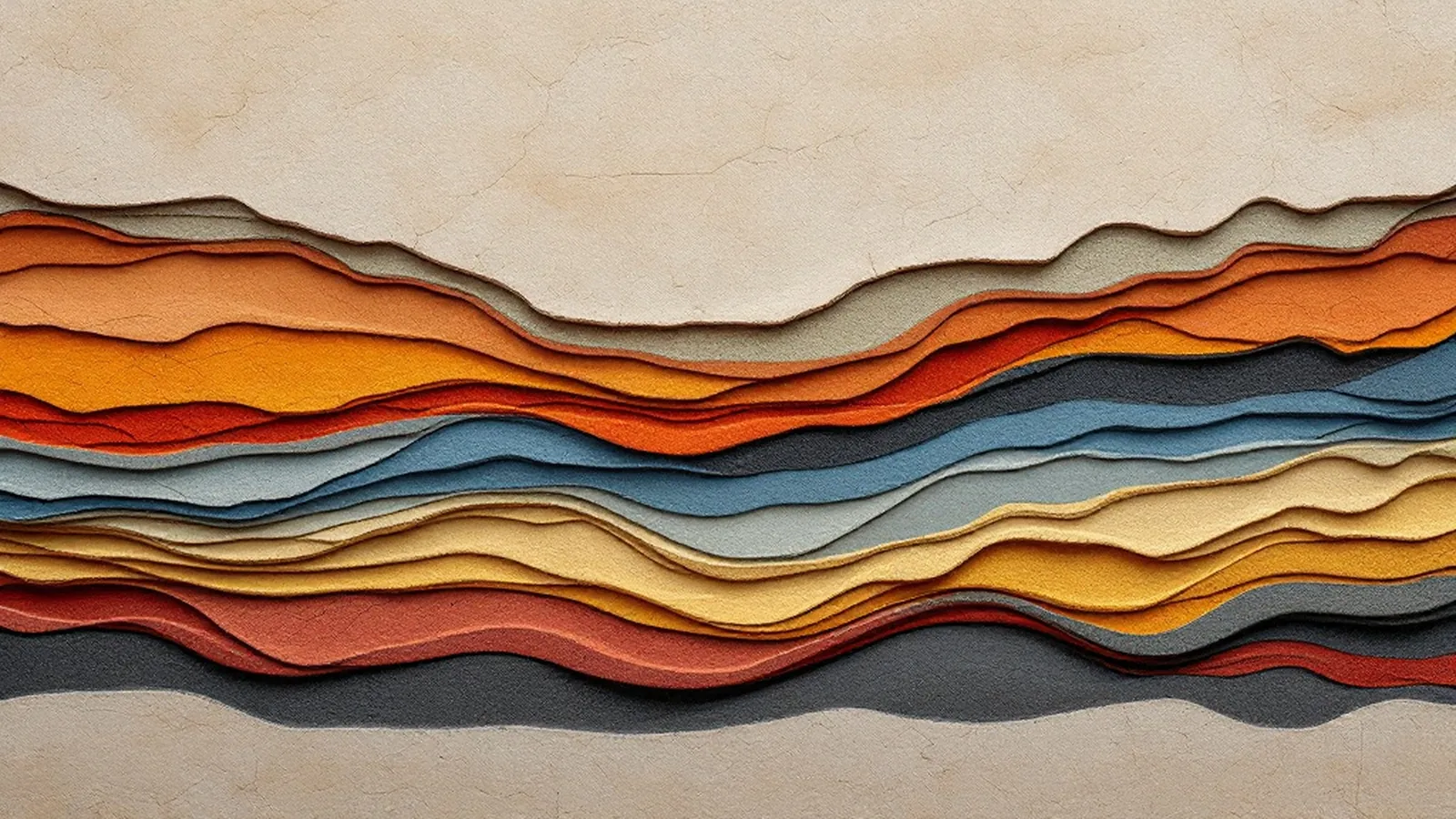
Sedimentary rock is laid down in layers, and each layer records a period of deposition.
Hanji in Korea and washi in Japan are handmade papers whose fibres come from the inner bark of the paper mulberry and related plants. They are strong, translucent and long-lived.
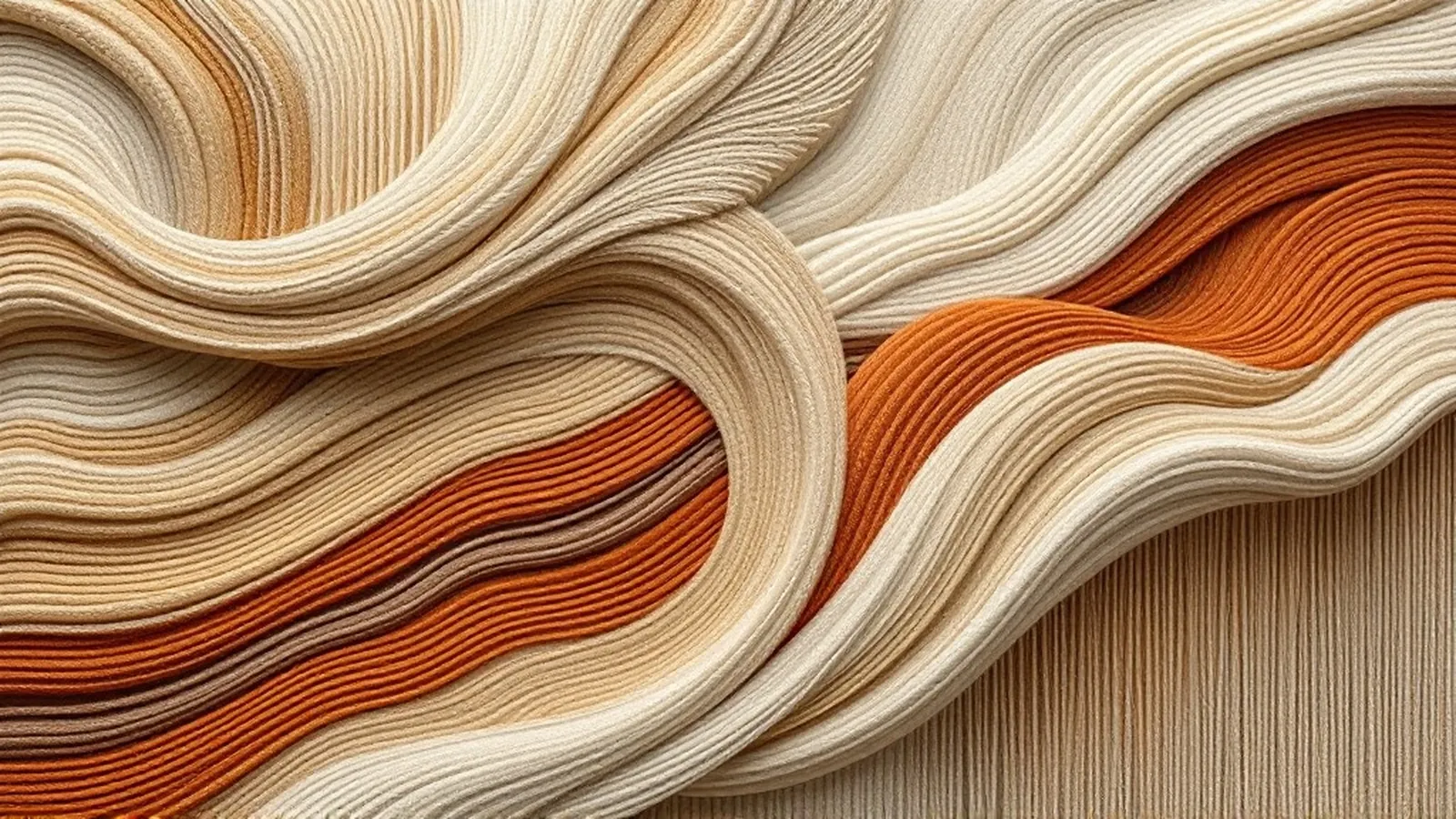
Fiber art treats wool, flax and other threads as a sculptural material, and moves weaving out of the home and onto the gallery wall.
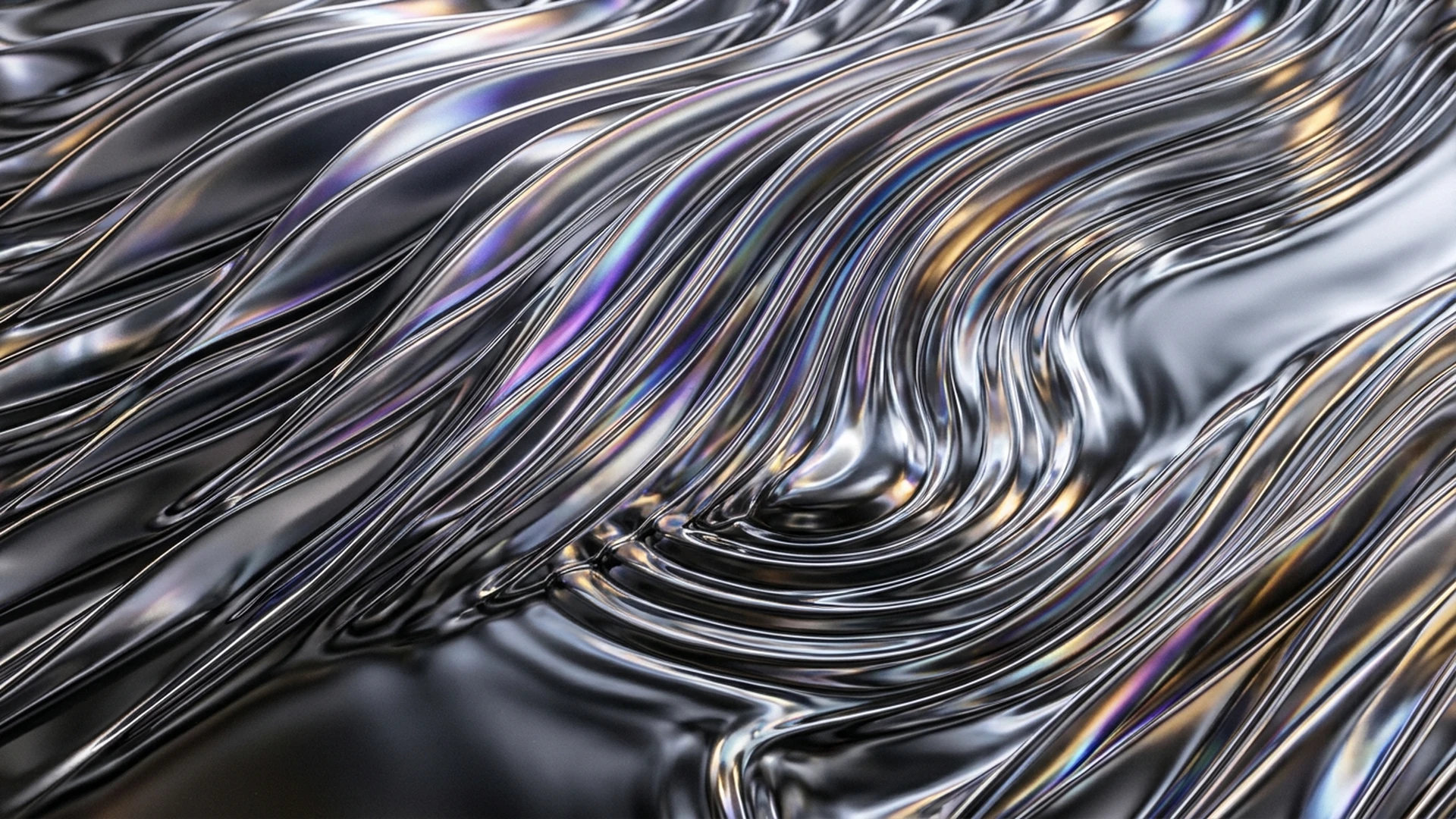
Fluid chrome combines two ideas: the smooth, ordered flow of a fluid around a form, and the mirror-like surface that reflects everything around it.
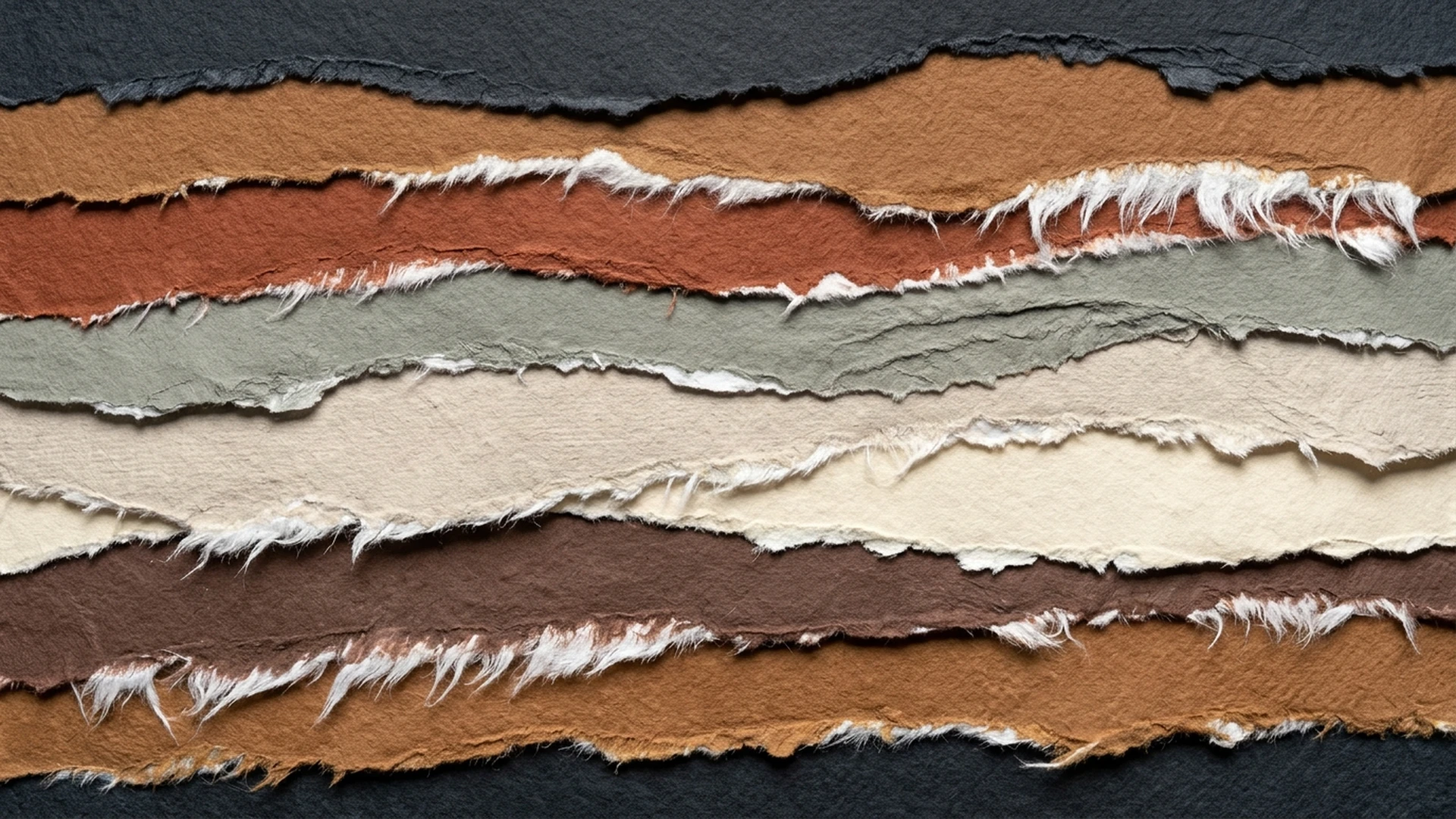
A deckle edge is the soft, feathered border of a sheet of handmade paper. It is formed where the pulp thins against the edge of the mould, and is the mark of paper made by hand and not cut by machine.
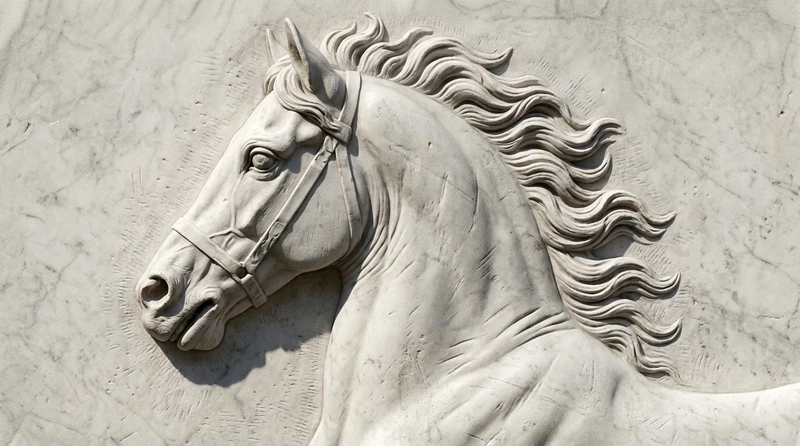
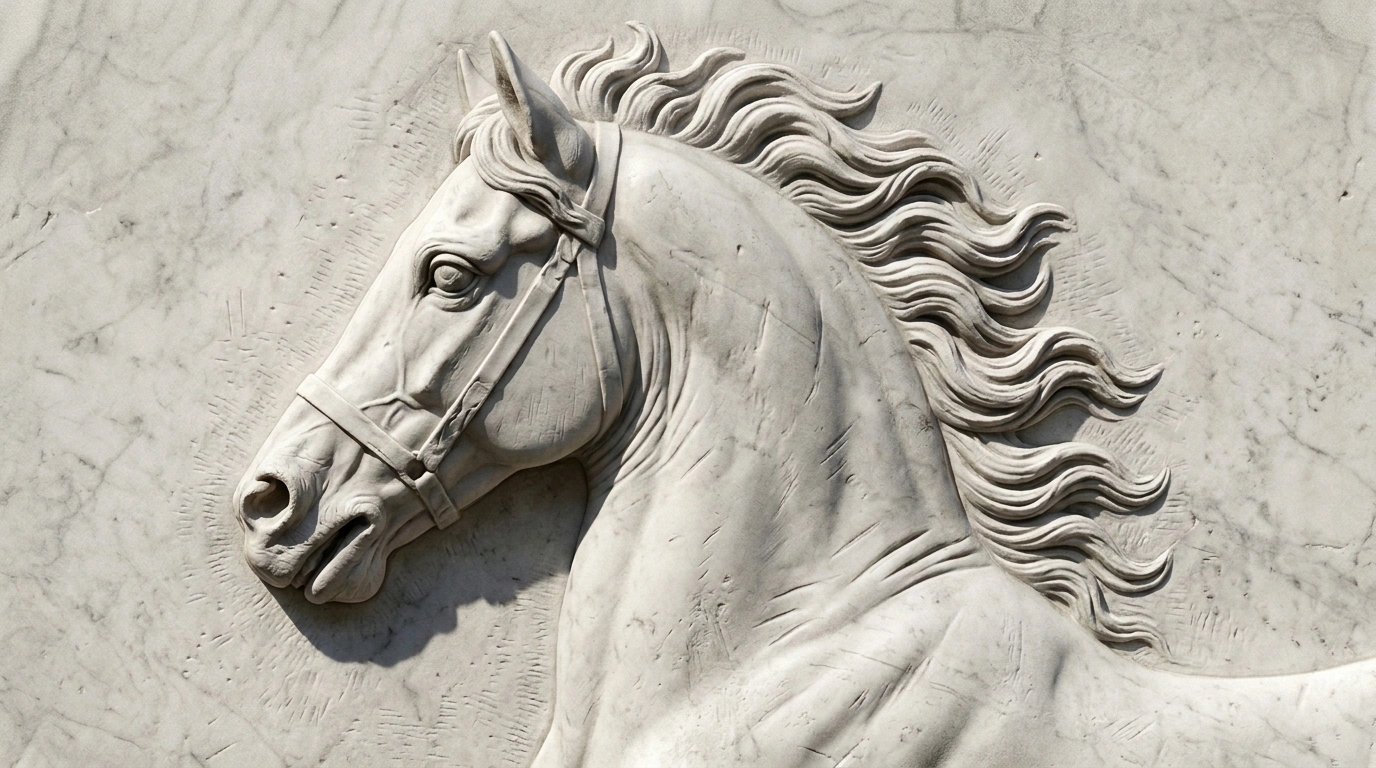
The Thoroughbred is a breed built for speed.
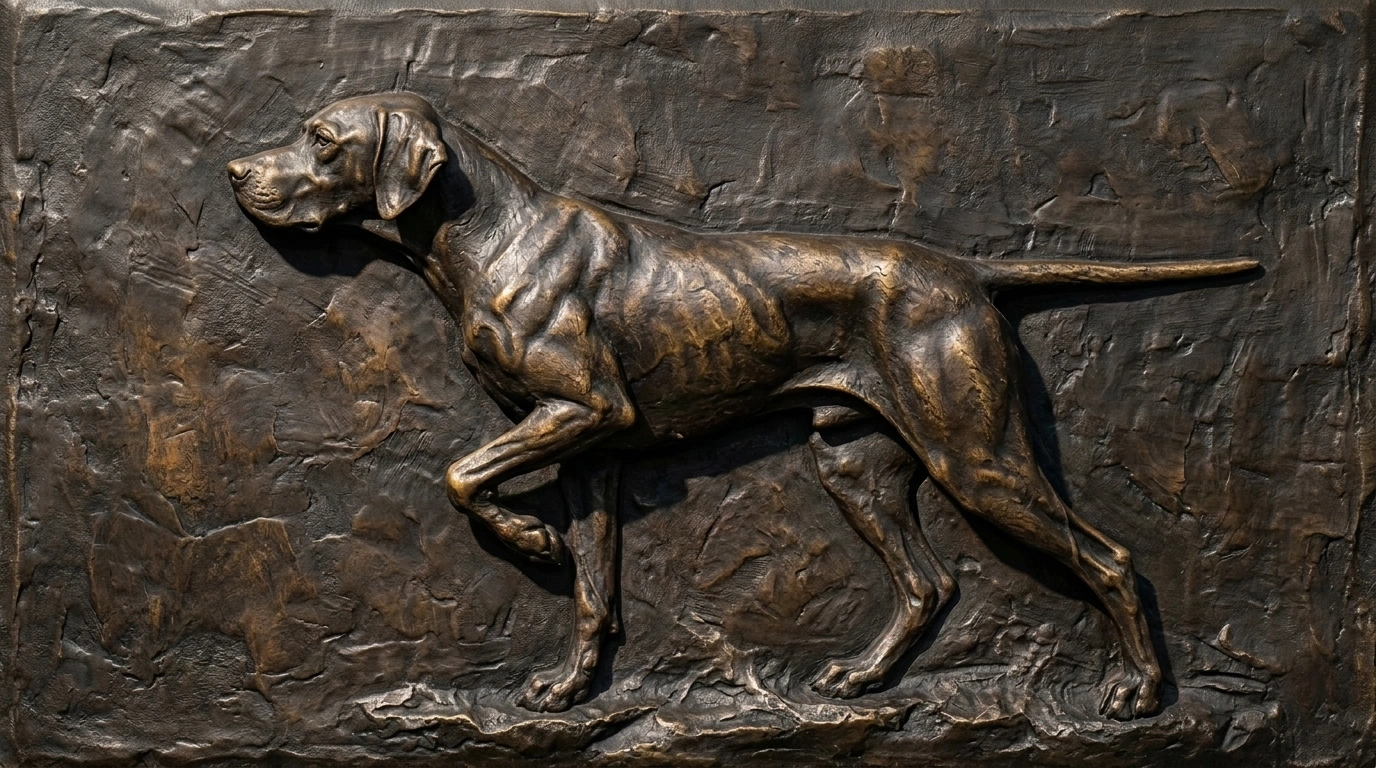
The English Pointer is a gundog bred to find game and then freeze, body rigid and nose aimed at the quarry. That held pose, called the point, is the image the breed is named for.
The American bison is the largest land mammal in North America.
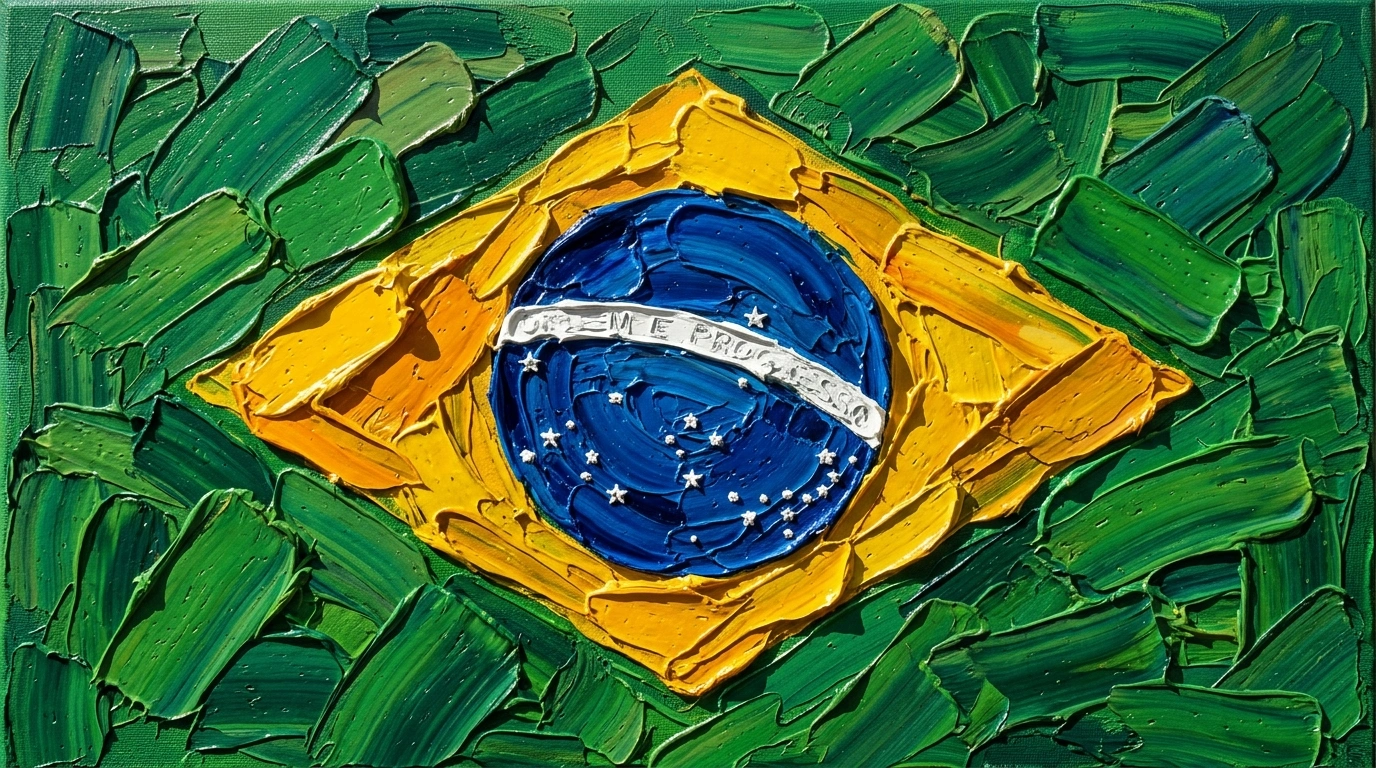
The Brazilian flag is a green field with a large yellow rhombus, and inside it a blue disc crossed by a white band that carries the national motto, Ordem e Progresso, and 27 white stars.
A canyon wall is a section through time. Rivers cut down through layered rock, and the layers erode at different rates, leaving a stepped profile of cliffs and benches.
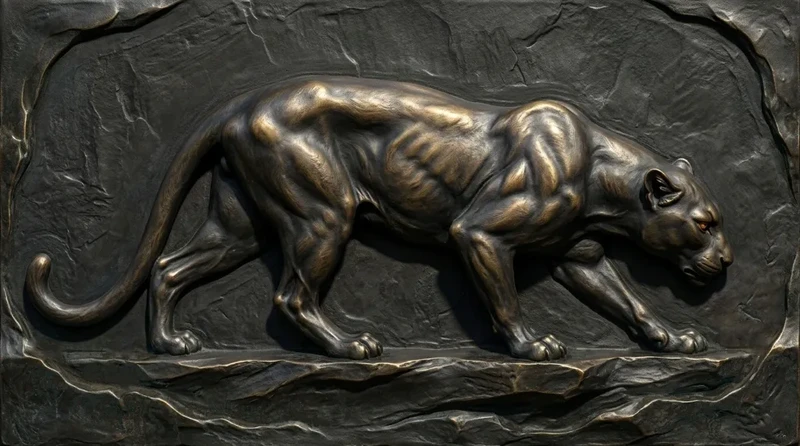
A black panther is not a species. It is a leopard (Panthera pardus) or a jaguar (Panthera onca) that is born dark because of melanism, an excess of dark pigment.
Every work is sold as the Complete Digital Edition for $38. It includes a 3840 × 2160 JPEG for Samsung The Frame and other 4K art displays, the lossless 4K master as a TIFF, and a print pack with four files at 300 DPI (4:5, 3:4, 2:3 and 1:1) plus a printing guide that lists the recommended print sizes.
Straight after payment you land on your order page, where each file has a download button. The same link is emailed to you. The order page stays available, and every visit issues fresh download links, so you can come back to it whenever you need the files again.
Download the Frame TV JPEG and send it to the TV through the SmartThings app or a USB drive, then choose it in Art Mode under My Collection. Other 4K screens and Apple TV can display the same file as a still image.
The Frame TV file is 3840 × 2160 pixels, and the lossless master is at least that size. The print files are enlarged from the master to 300 DPI at the pixel sizes in the printing guide, which lists the print sizes each one handles well, usually up to roughly 24 × 36 inches.
Every purchase includes open, unencumbered freedom of use: personal display on Samsung The Frame and 4K screens, unlimited fine-art physical prints, and full authorization for interior designers and home stagers to install works in client residential or commercial staging projects. Because these works are created with AI image synthesis tools, they are not subject to copyright protection under prevailing law—we do not enforce artificial licensing terms or claim copyright monopolies. What you pay for is curated, museum-grade 4K and 300 DPI multi-ratio mastering, file prep, and instant delivery.
No. All sales are final. A digital file is delivered in full the moment you pay and cannot be returned, so we do not offer refunds, returns or exchanges. If a file will not download, is damaged, or is materially different from its description, contact us and we will fix it or send replacement files.
Yes. The images are created with AI image-generation tools, directed and selected by us, and then finished into the master and print files. Some originals are generated at a lower resolution and enlarged to 4K during finishing. Read more on the About page.
No. Cladeset sells digital files only. The print pack is for you to take to a fine-art printer of your choice.
Payment is handled by Stripe. Card payments always go through a 3D Secure verification step, and we never see or store your card number.
Use our contact form. Include your order reference if your question is about a purchase, and we will reply promptly to the email address you provide.