Illustrated Art Encyclopedia
Authoritative reference monographs exploring the history, cultural symbolism, and morphology of subjects before they are reimagined across artistic mediums.
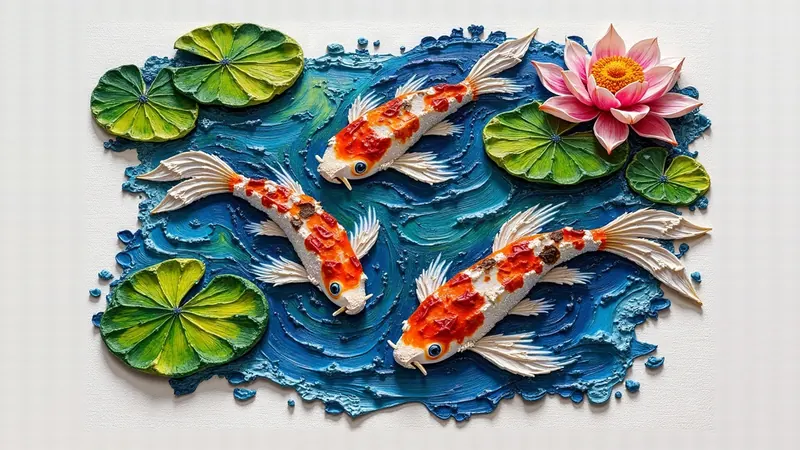
Nishikigoi: The Living Canvases of Japanese Culture
A taxonomic and cultural monograph on ornamental Cyprinus rubrofuscus
Far more than ornamental pond fish, Nishikigoi (literally 'brocaded carp') represent one of history's most disciplined long-term biological art forms.
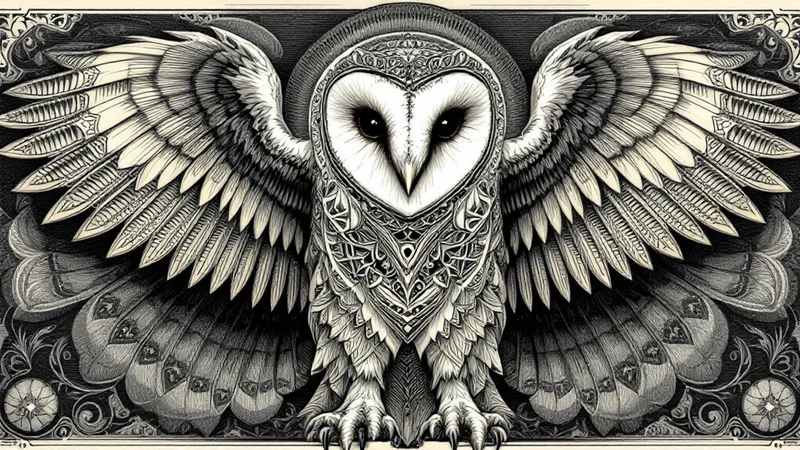
Tyto alba: The Acoustic Ghost of Twilight
Acoustic morphology and mythic archetype of the world's most widespread raptor
Silent, heart-faced, and possessing sensory capabilities that border on the surreal, the Barn Owl (Tyto alba) is an evolutionary triumph of predatory physics.
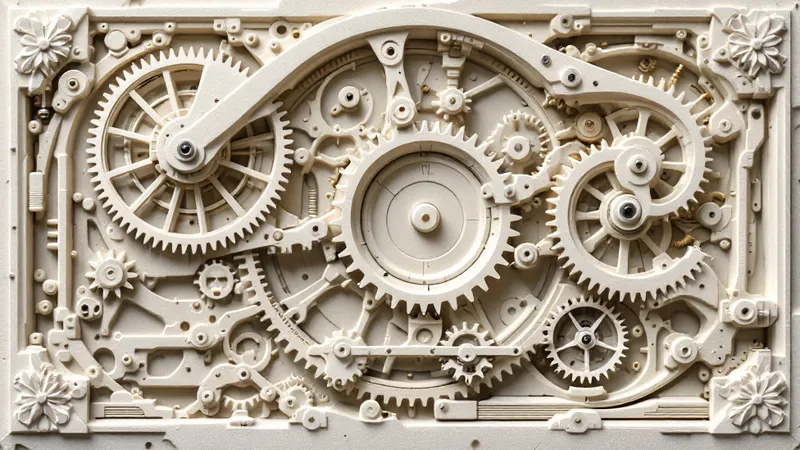
Mechanical Horology: The Architecture of Captured Time
The engineering, metallurgy, and poetic precision of mechanical chronographs
A mechanical chronograph is humanity's most poetic physical mechanism: an autonomous, hand-regulated clockwork engine that translates the potential energy of a coiled steel spring into the relentless, sub-second division of cosmic time.

Nelumbo nucifera: The Flower That Rises Clean
Botany, symbolism and the self-cleaning leaf of the sacred lotus
The sacred lotus roots in mud and holds its leaves and flowers above the water, apparently untouched by the silt it grows from.
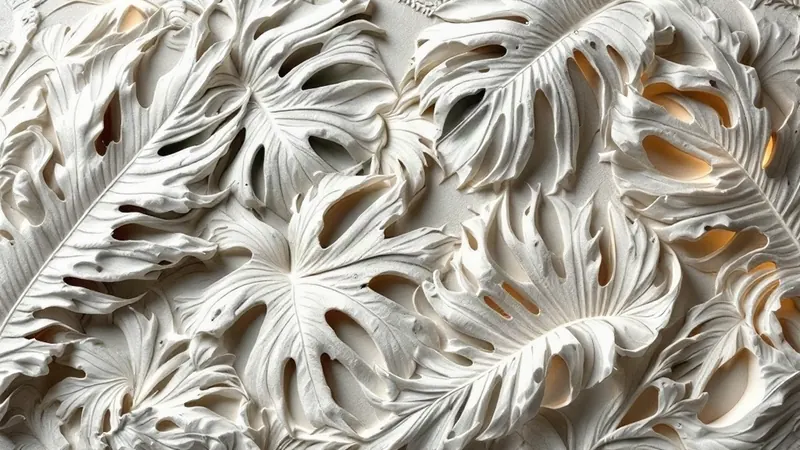
Monstera deliciosa: The Leaf With Windows
How a Central American climber became the emblem of the modern interior
The monstera's deeply cut, perforated leaf is among the most recognisable plant forms in modern design. It is also an unusual piece of botany: a climbing aroid whose leaves develop holes as they mature.
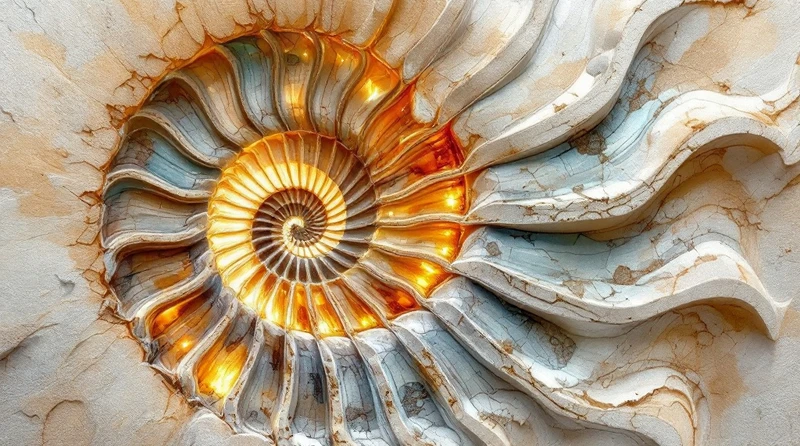
Nautilus pompilius: The Chambered Spiral
A living fossil, a collector's cup and a common mistake about the golden ratio
The chambered nautilus is a cephalopod that lives inside a coiled shell divided into gas-filled chambers. Cut through the middle, the shell shows its own growth history as a spiral of ever larger rooms.
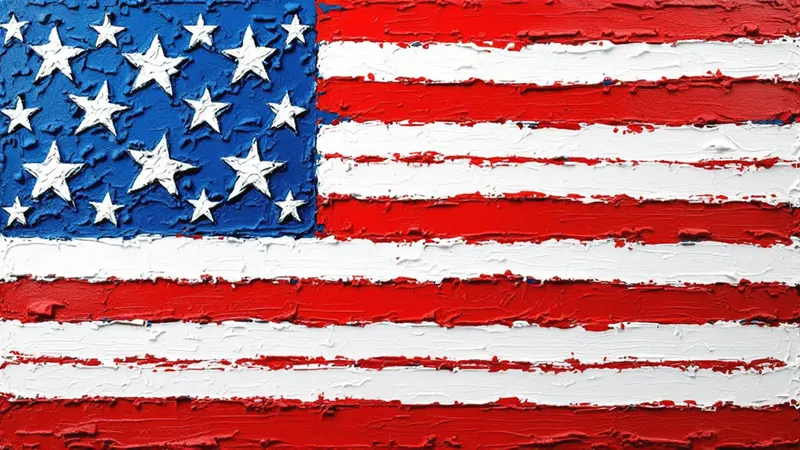
The Stars and Stripes: A Flag Built to Change
From the 1777 resolution to the fifty-star flag, and a century of painters
The flag of the United States is unusual among national flags because its design was meant to change. Every new state adds a star, and the flag has been redrawn many times since 1777.
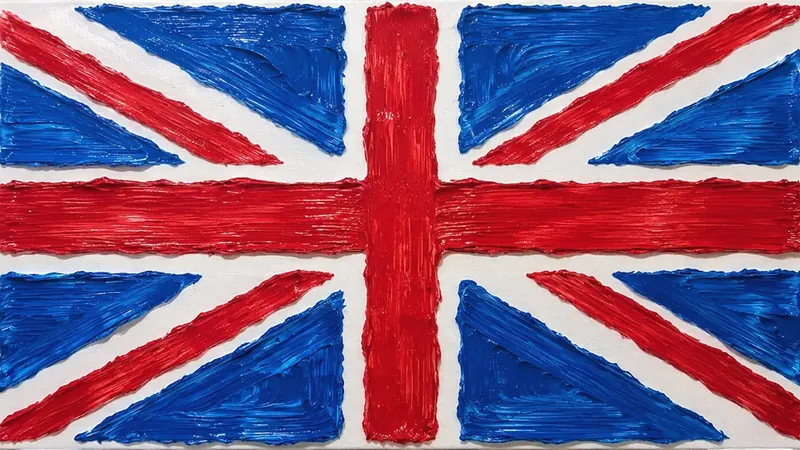
The Union Flag: Three Crosses in One
How the patron saints of England, Scotland and Ireland were layered into a single design
The Union Flag, often called the Union Jack, is made of three crosses laid over each other. It is a design about combination: each of the original kingdoms is represented by the cross of its patron saint.
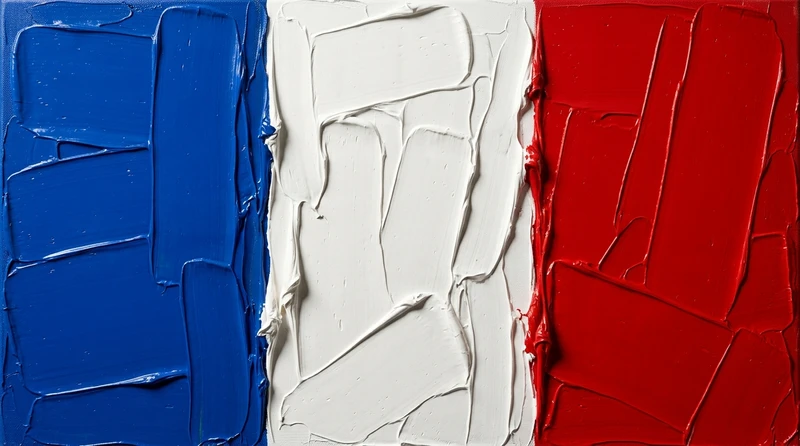
Le Tricolore: Three Bands, One Revolution
The cockade, the decree of 1794, and the template for national flags
The French tricolour is a design of three equal vertical bands. Its simplicity, and the political weight it carried from 1789, made it the model for many later national flags.
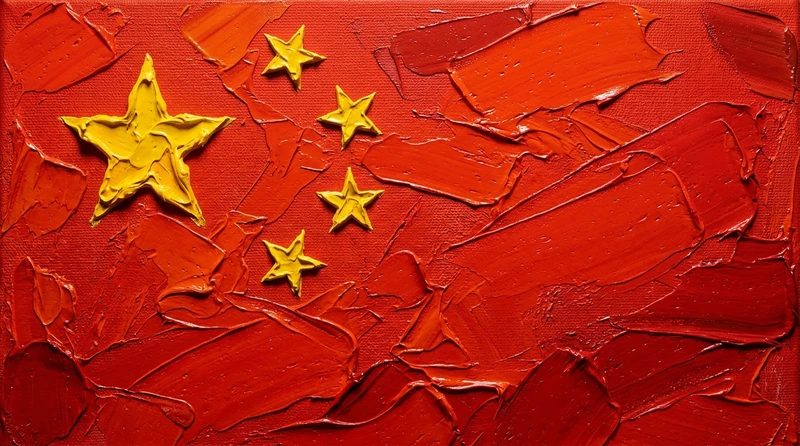
The Five-Star Red Flag
A competition-winning design adopted in September 1949
The flag of the People's Republic of China is a red field with five gold stars in the upper hoist corner: one large star, and four smaller ones in an arc beside it.
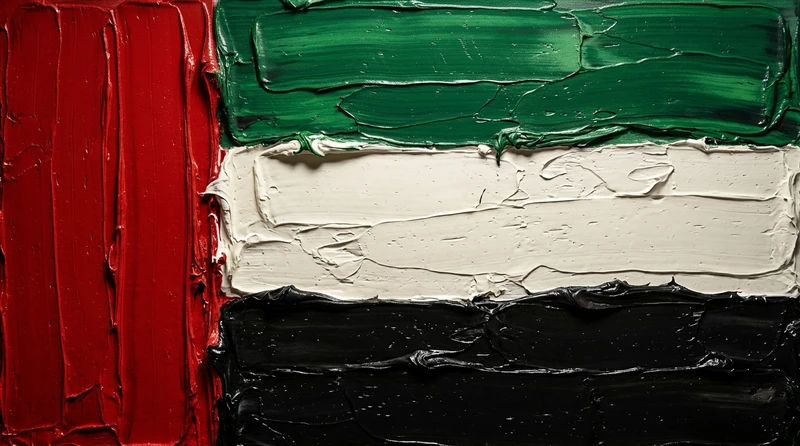
The Flag of the United Arab Emirates
Pan-Arab colours, a federation, and a verse from the fourteenth century
The flag of the UAE combines the four pan-Arab colours: a vertical red bar at the hoist and three horizontal bands of green, white and black.
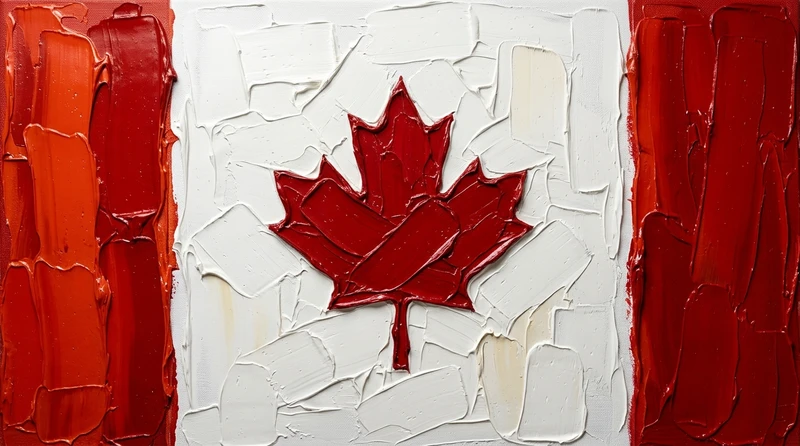
L'Unifolié: The Maple Leaf Flag
The Great Flag Debate and a design reduced to one leaf
Canada's flag is a red field with a white square in the centre, carrying a stylised red maple leaf of eleven points. It is one of the simplest national flags in use.
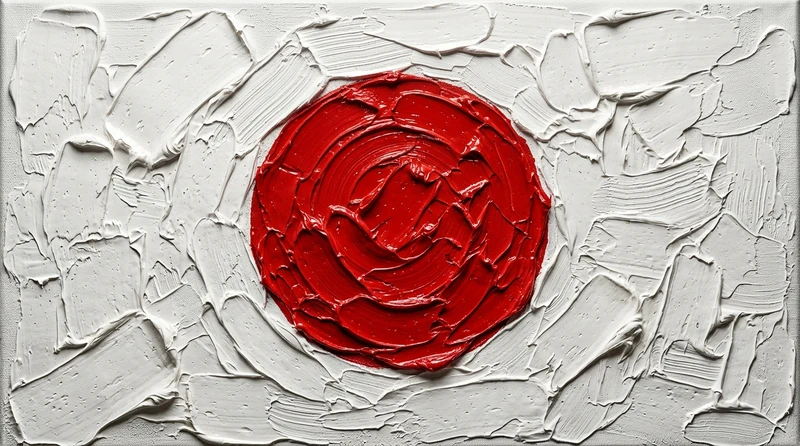
Nisshoki: The Sun-Mark Flag
A red disc on white, and the economy of Japanese graphic form
The flag of Japan is a white field with a single red disc, centred. Its formal name is Nisshoki, the sun-mark flag, and in everyday speech it is called Hinomaru, the circle of the sun.
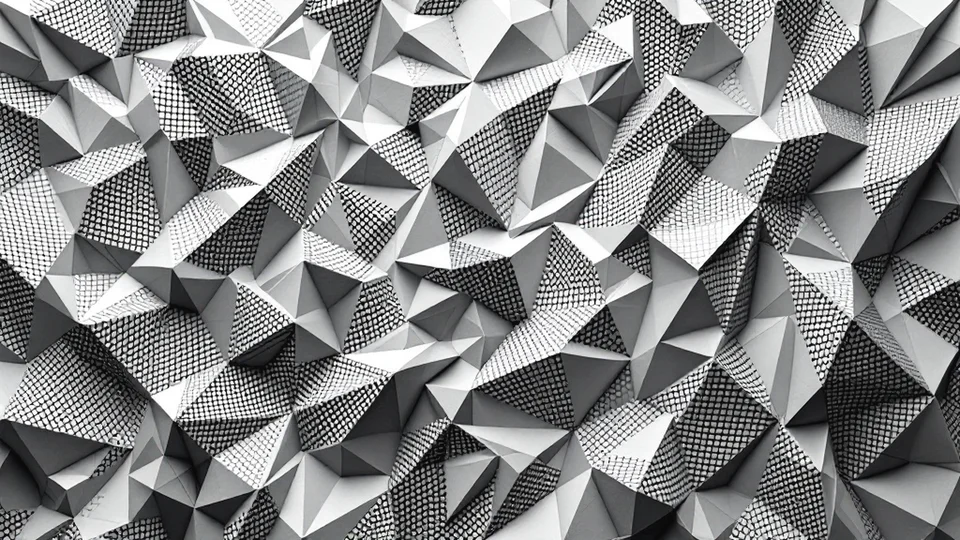
Origami Tessellations: Folded Pattern as Structure
Repeating crease patterns, one uncut sheet, and the geometry of deployable surfaces
An origami tessellation is a pattern of folds repeated across a single sheet of paper, so that the surface itself becomes a relief of peaks and valleys. It sits between art, mathematics and engineering.
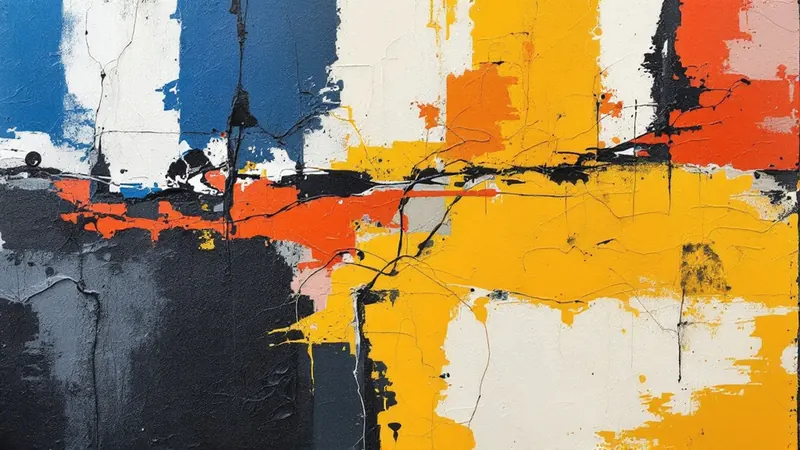
Architectural Abstraction: Material as Subject
Wax, stone and glass in the tradition of brutalism and Finish Fetish
Architectural abstraction takes the language of building, slab, column, joint and surface, and removes the building. What is left is material and structure: weight, edge and the way light lands on them.
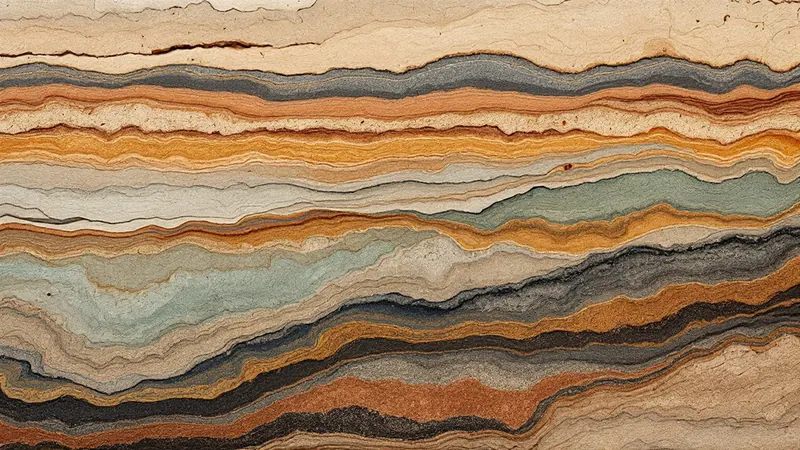
Sedimentary Strata: Time Laid in Layers
Canyon walls, rammed earth, and the principle of superposition
Sedimentary rock is laid down in layers, and each layer records a period of deposition. Looking at a canyon wall is looking at time stacked from the oldest layer at the bottom to the youngest at the top.
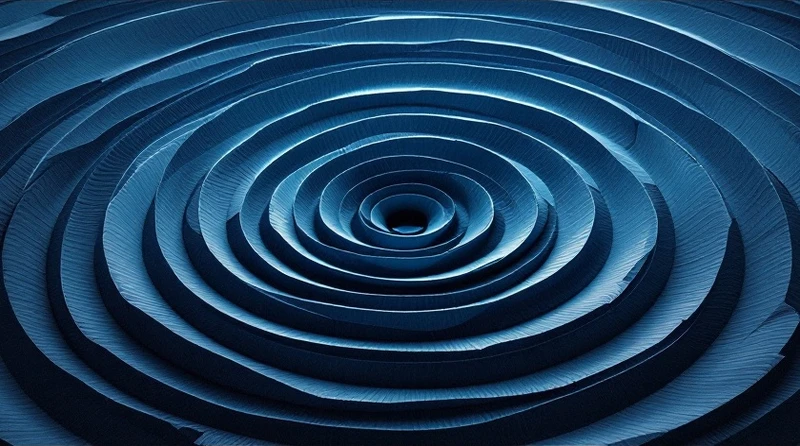
Hanji and Washi: Paper From the Mulberry
East Asian papermaking and the quiet relief of cast paper
Hanji in Korea and washi in Japan are handmade papers whose fibres come from the inner bark of the paper mulberry and related plants. They are strong, translucent and long-lived.
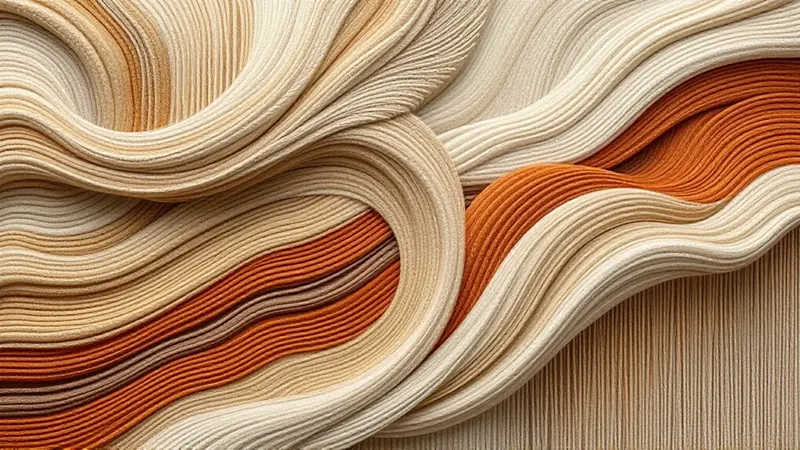
Fiber Art: Wool as Architecture
From the Bauhaus loom to the monumental wall hanging
Fiber art treats wool, flax and other threads as a sculptural material, and moves weaving out of the home and onto the gallery wall.
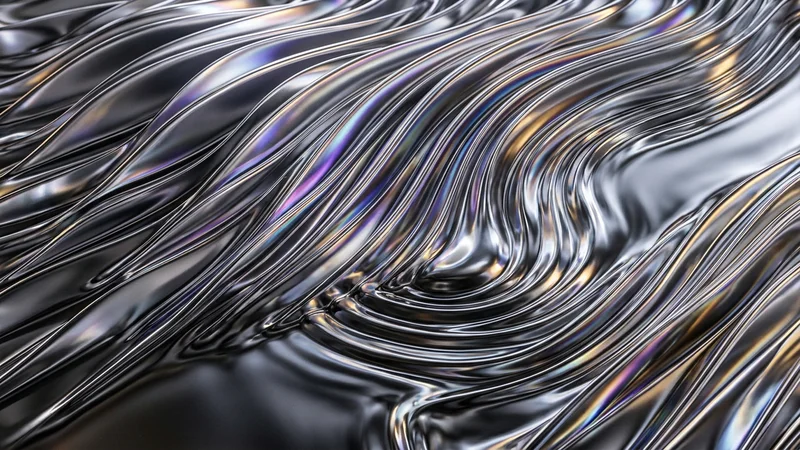
Fluid Chrome: Streamlines and Reflection
Laminar flow, the streamlined form, and the reflective surface in sculpture
Fluid chrome combines two ideas: the smooth, ordered flow of a fluid around a form, and the mirror-like surface that reflects everything around it.
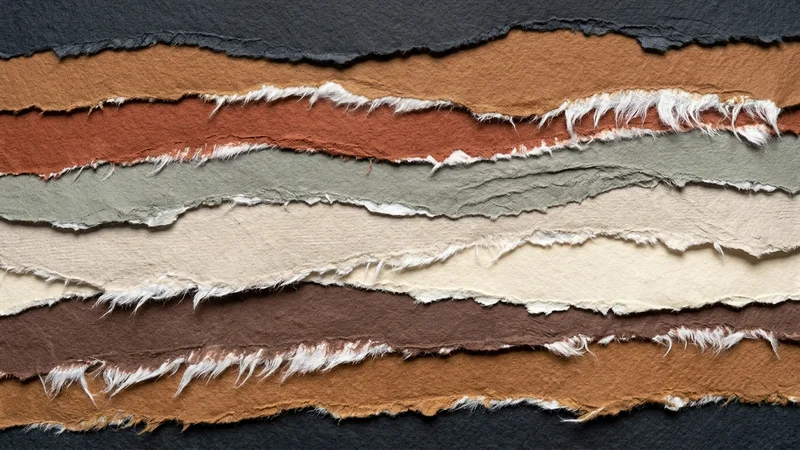
The Deckle Edge: Paper Torn by Hand
Cotton rag, the papermaking mould, and the feathered edge
A deckle edge is the soft, feathered border of a sheet of handmade paper. It is formed where the pulp thins against the edge of the mould, and is the mark of paper made by hand and not cut by machine.
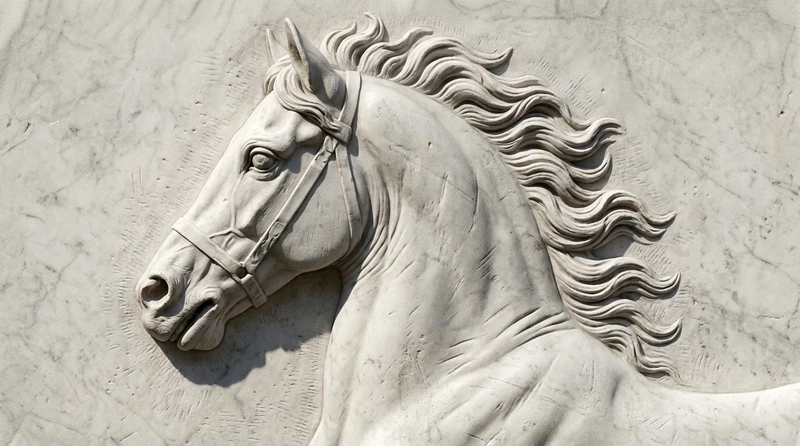
The Thoroughbred: Anatomy of Speed
From Stubbs to Muybridge, how painters learned to see a horse in motion
The Thoroughbred is a breed built for speed. It is also one of the longest-running subjects in Western painting, and the history of horse painting is partly a history of learning how a horse actually moves.
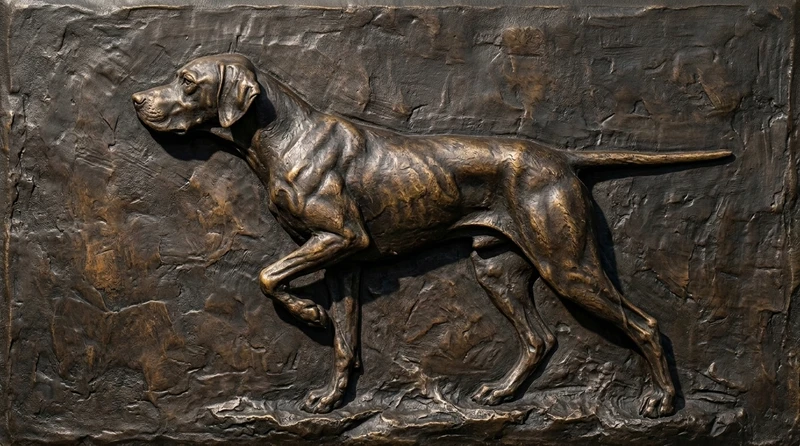
The English Pointer: Stillness Before Action
A pointing breed, the lost-wax bronze and the animaliers
The English Pointer is a gundog bred to find game and then freeze, body rigid and nose aimed at the quarry. That held pose, called the point, is the image the breed is named for.
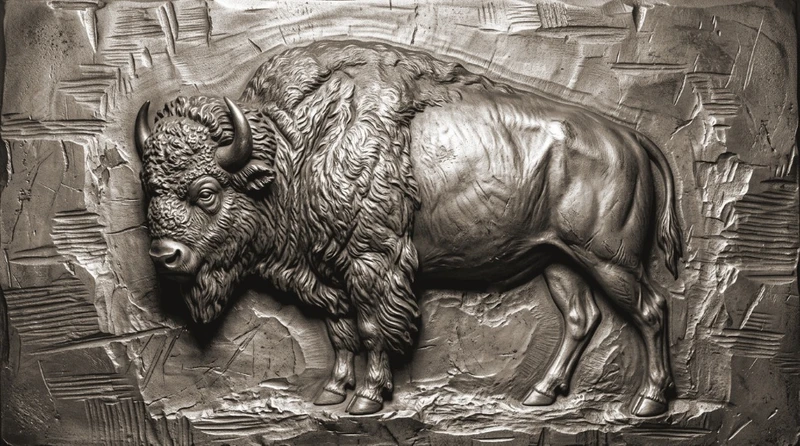
Bison bison: The Bison and the Landscape
Near extinction, recovery, and a national symbol
The American bison is the largest land mammal in North America. A bull can weigh more than a ton, and the animal's shape, with its great shoulder hump and heavy head, is one of the most recognisable silhouettes on the continent.
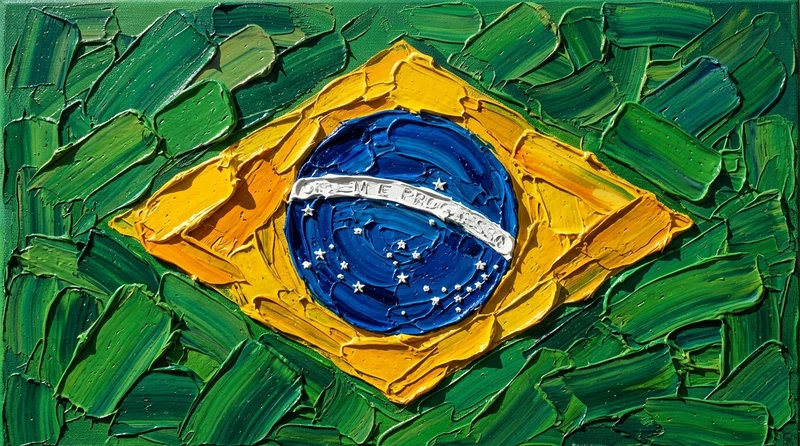
A Auriverde: The Flag of Brazil
A green field, a yellow rhombus and a map of the night sky
The Brazilian flag is a green field with a large yellow rhombus, and inside it a blue disc crossed by a white band that carries the national motto, Ordem e Progresso, and 27 white stars.
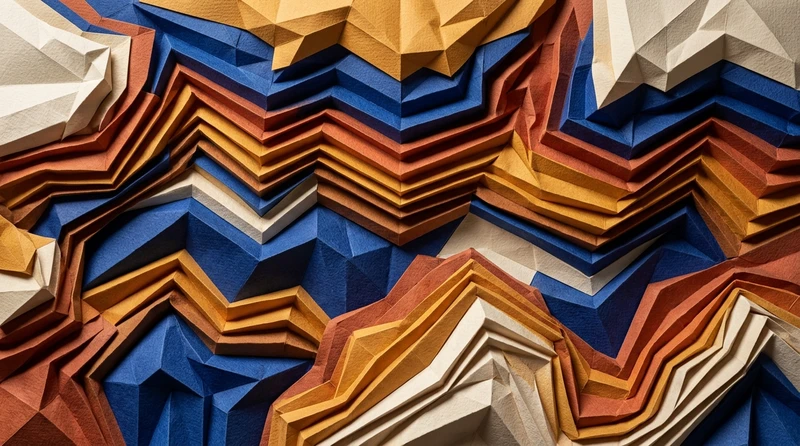
Topographic Canyon: Terraces Folded From Paper
How erosion steps a canyon wall, and how a pleated sheet can do the same
A canyon wall is a section through time. Rivers cut down through layered rock, and the layers erode at different rates, leaving a stepped profile of cliffs and benches.
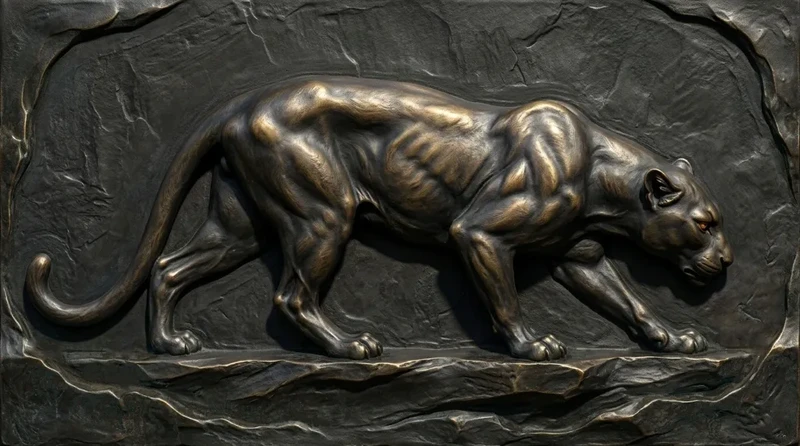
The Black Panther: One Cat, Two Species
Melanism in leopards and jaguars, and the big cat in cast bronze
A black panther is not a species. It is a leopard (Panthera pardus) or a jaguar (Panthera onca) that is born dark because of melanism, an excess of dark pigment.